
New roofs for a city built in the anthracite era
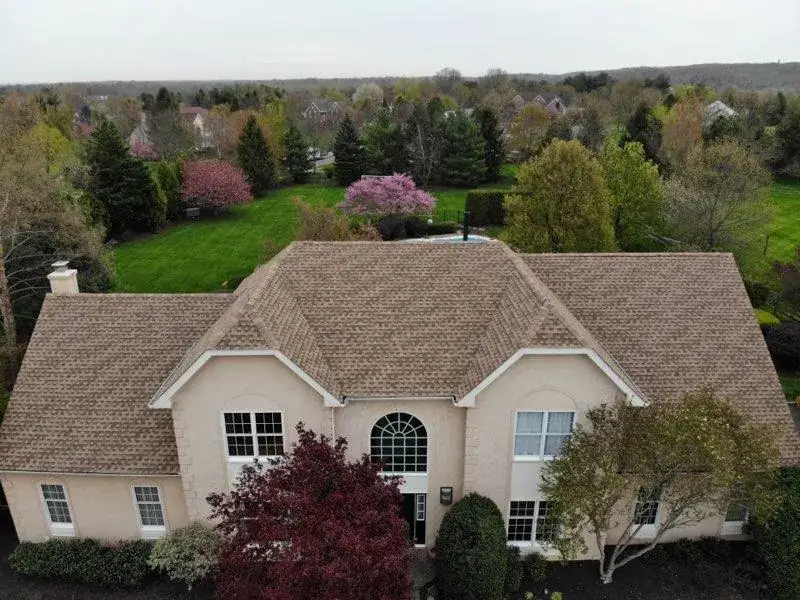
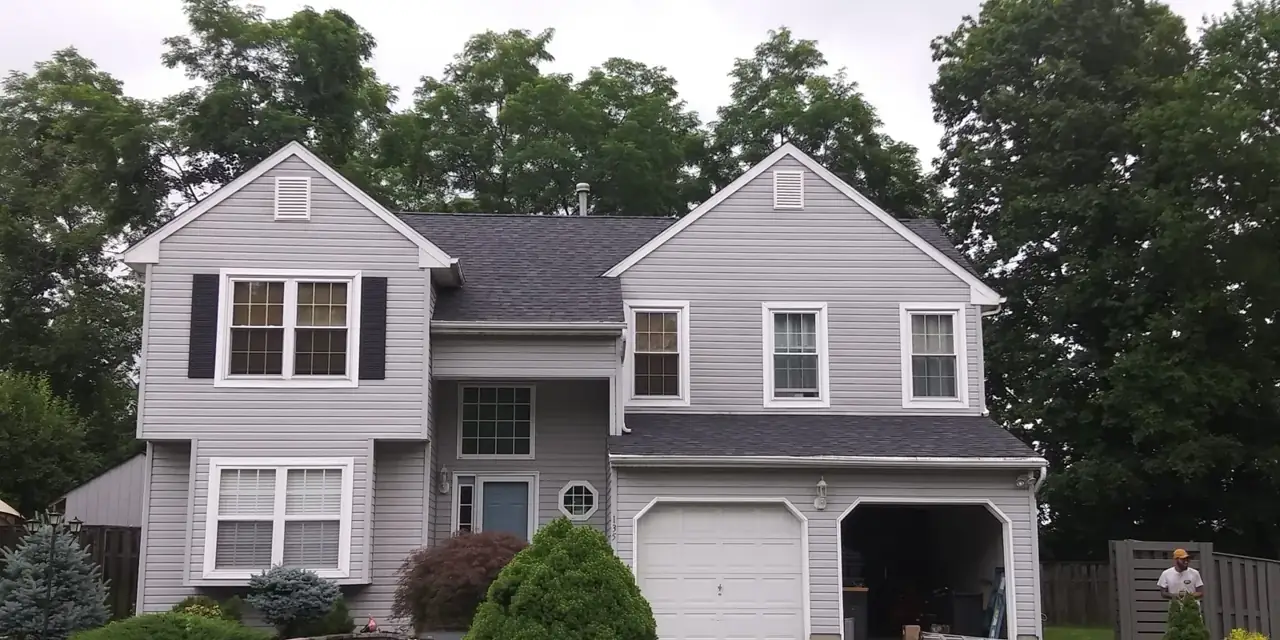
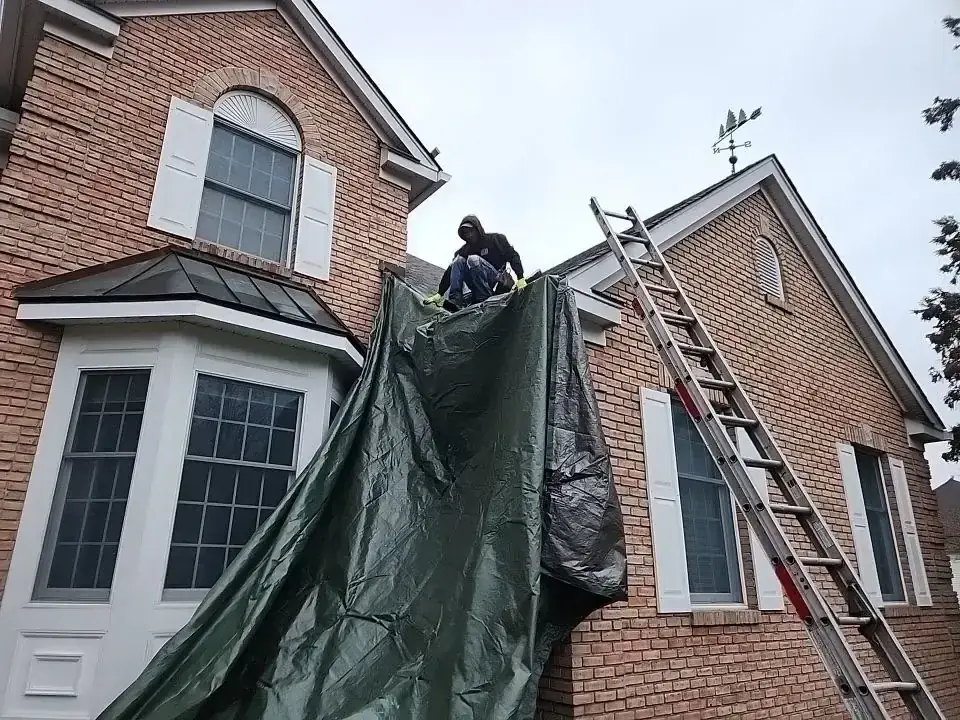
A lot of Scranton's houses went up while the coal mines were running, and a century of re-roofing shows when we open them up. On the tall two-and-a-half-story frame homes in Green Ridge and the Hill Section, we usually find a steep main roof, a couple of dormers and more than one layer of old shingles. Under that there's often board sheathing with gaps between the planks instead of plywood. We take everything down to the boards, re-nail or replace what's loose or rotted, and add sheathing where the gaps are too wide to hold nails properly.
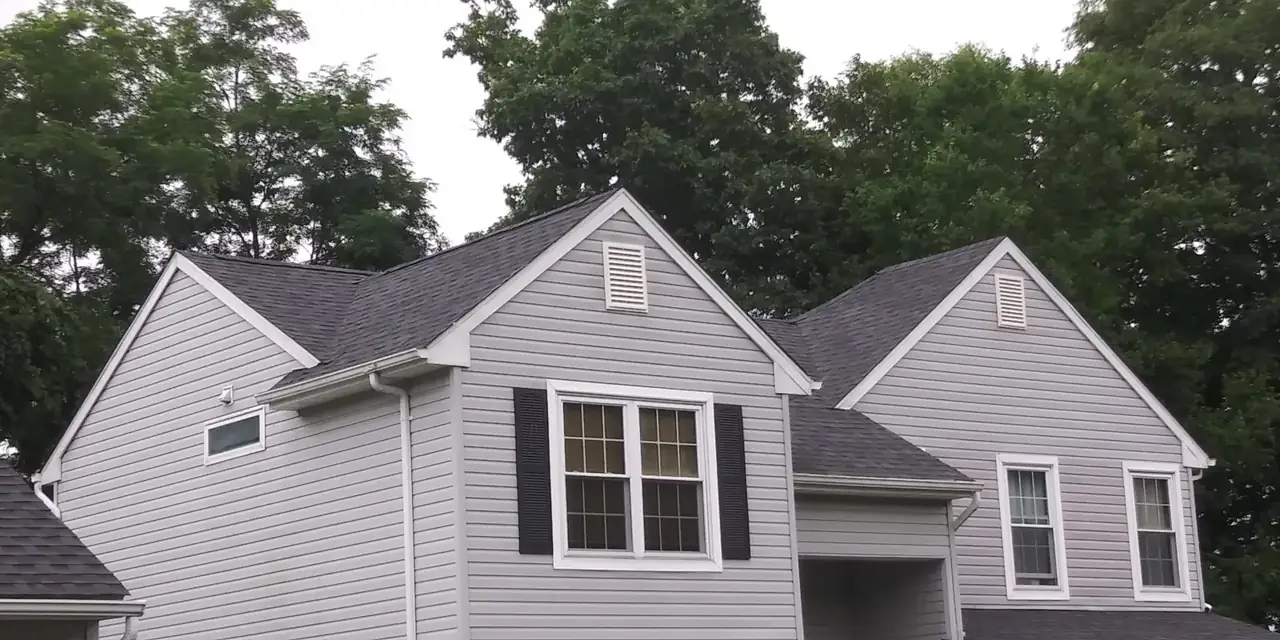
Dormers get their own attention. The side walls of a dormer need step flashing woven into every course of shingles, and that flashing is almost always the first thing to fail on these houses. We replace it rather than reuse it, along with the counter-flashing on chimneys that were sealed with tar at some point in their history.
In North Scranton, the West Side and the South Side, the typical job looks different: a narrower house, a steep front roof and a low-slope roof over the back kitchen. We shingle the main roof and put EPDM rubber on the low section in the same visit, so the whole house is done at once.
Building a Scranton roof for Lackawanna Valley winters
The valley floor averages about 45 inches of snow a year, and homes up on West Mountain and East Mountain hold it longer. That snow is only part of the story. The freeze-thaw cycles, the ice that builds at the eaves of warm attics, and the damp, shaded slopes between closely spaced houses all wear roofs down. A replacement is the one time you can fix all of those at once, so our Scranton roofs include:
- Ice and water barrier along the eaves and in every valley, which the residential code calls for where ice damming is a known problem.
- Synthetic underlayment over the rest of the deck, plus new drip edge.
- Architectural asphalt shingles installed by a GAF-certified crew, with algae-resistant options for the north slopes that stay streaked.
- Intake and ridge exhaust sized to the attic, because a cold attic is what stops ice dams from forming. If your attic has no real venting now, our roof ventilation work is part of the same job.
Sharing a roof with the neighbors? On a double-block, we can replace your half and tie it in at the party wall with overlapping underlayment and flashing so the seam stays dry.
The city permit, the street and the schedule
Scranton doesn't leave much room for interpretation: the city's permit page says a permit is required for all construction projects in the city, performed by an insured, licensed contractor. So on a Scranton replacement, we file with the city's code enforcement office before the tear-off and schedule the inspection. You don't have to go to City Hall.
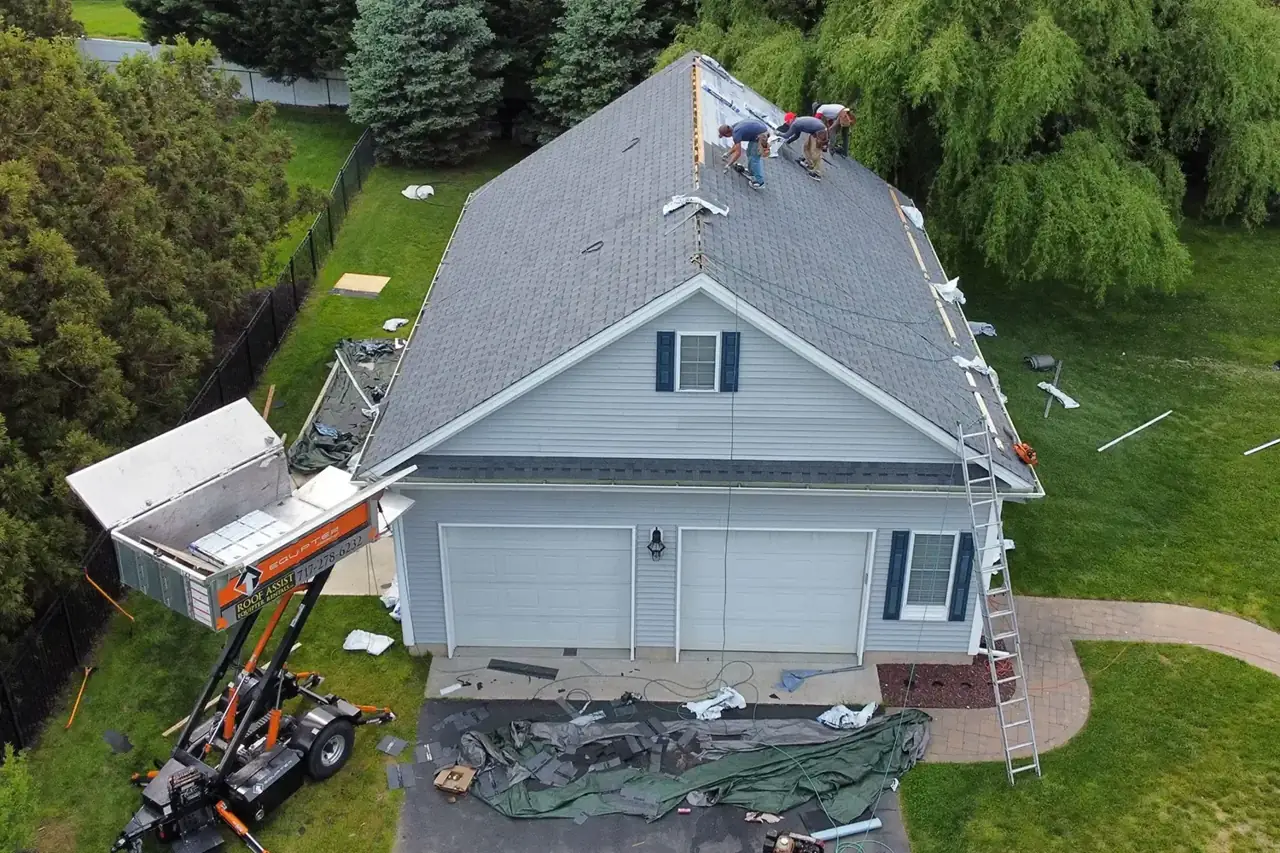
The street matters too. Plenty of Scranton jobs mean setting a dumpster on a narrow one-way block or at the top of a steep driveway, and we sort that out when we measure the roof, not on the morning of the job. We watch the forecast and only open as much roof as we can dry in the same day.
If you're not sure the roof is finished, ask us to look at a roof repair first. We'll tell you honestly if it has years left. For a starting number before we visit, try the Instant Roof Quote, or read more about our roof replacement system.
More detail on how we handle this work anywhere we serve: Roof Replacement. Everything we do in Scranton: roofing in Scranton, PA.