
Re-roofing a coal-town house, one half at a time
Plymouth was incorporated in 1866, right in the middle of the anthracite boom, and much of the borough still looks like it: narrow frame houses on small lots, steep gable roofs, and a lot of double-blocks with two households under one roof. That last one shapes more Plymouth replacements than anything else, because two neighbors rarely need a new roof in the same year.
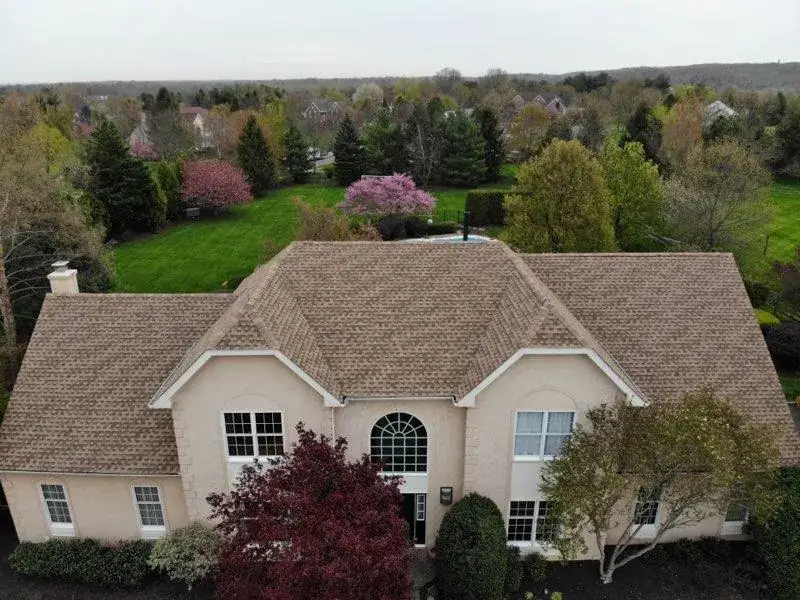
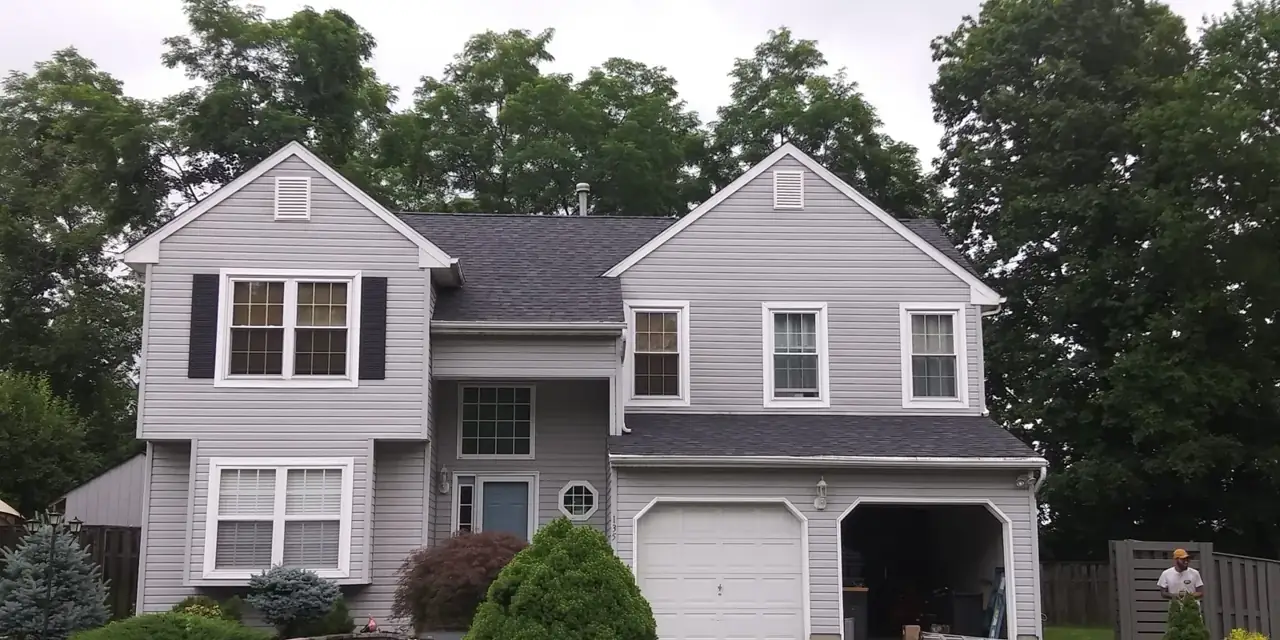
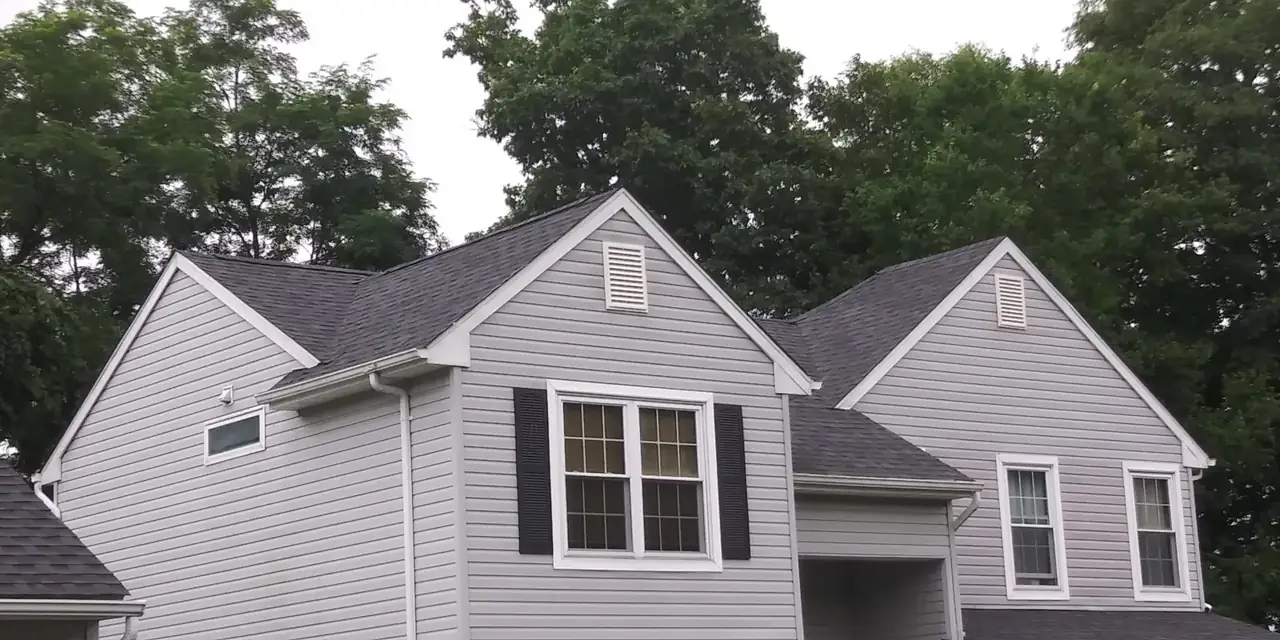
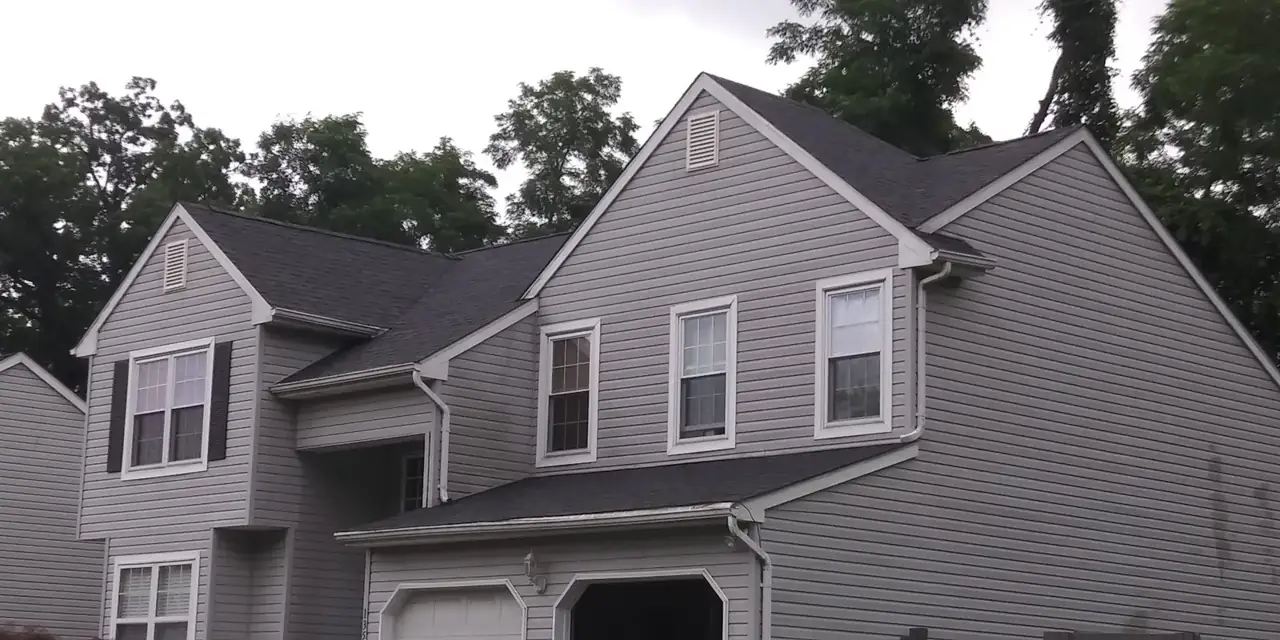
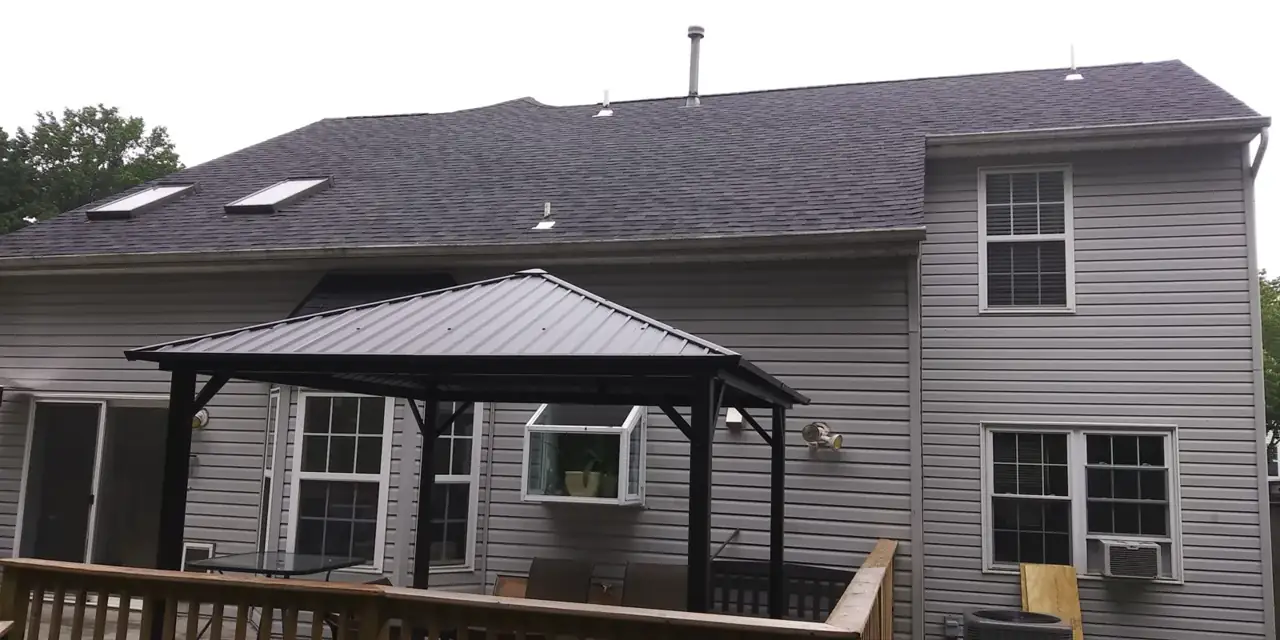
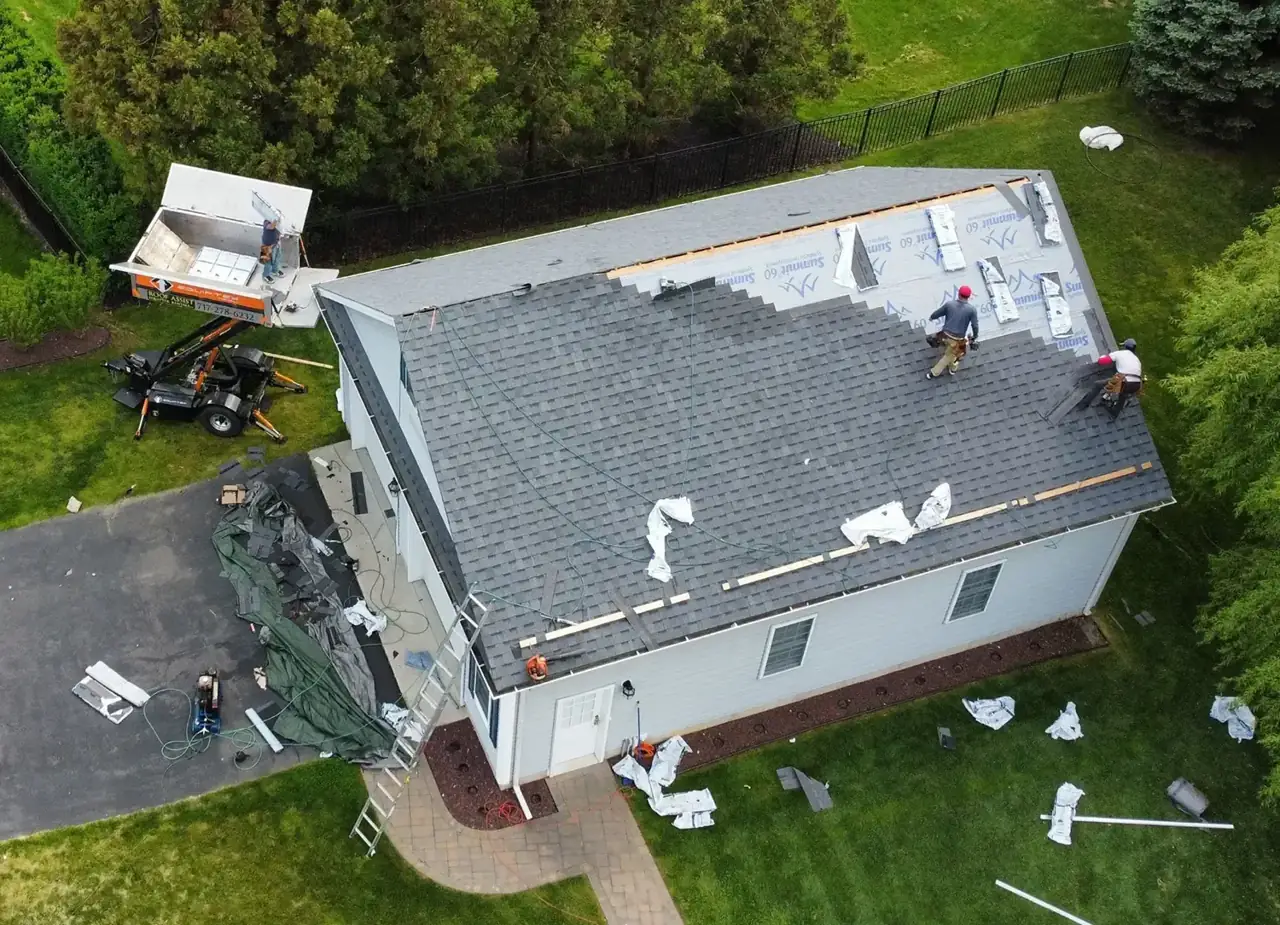
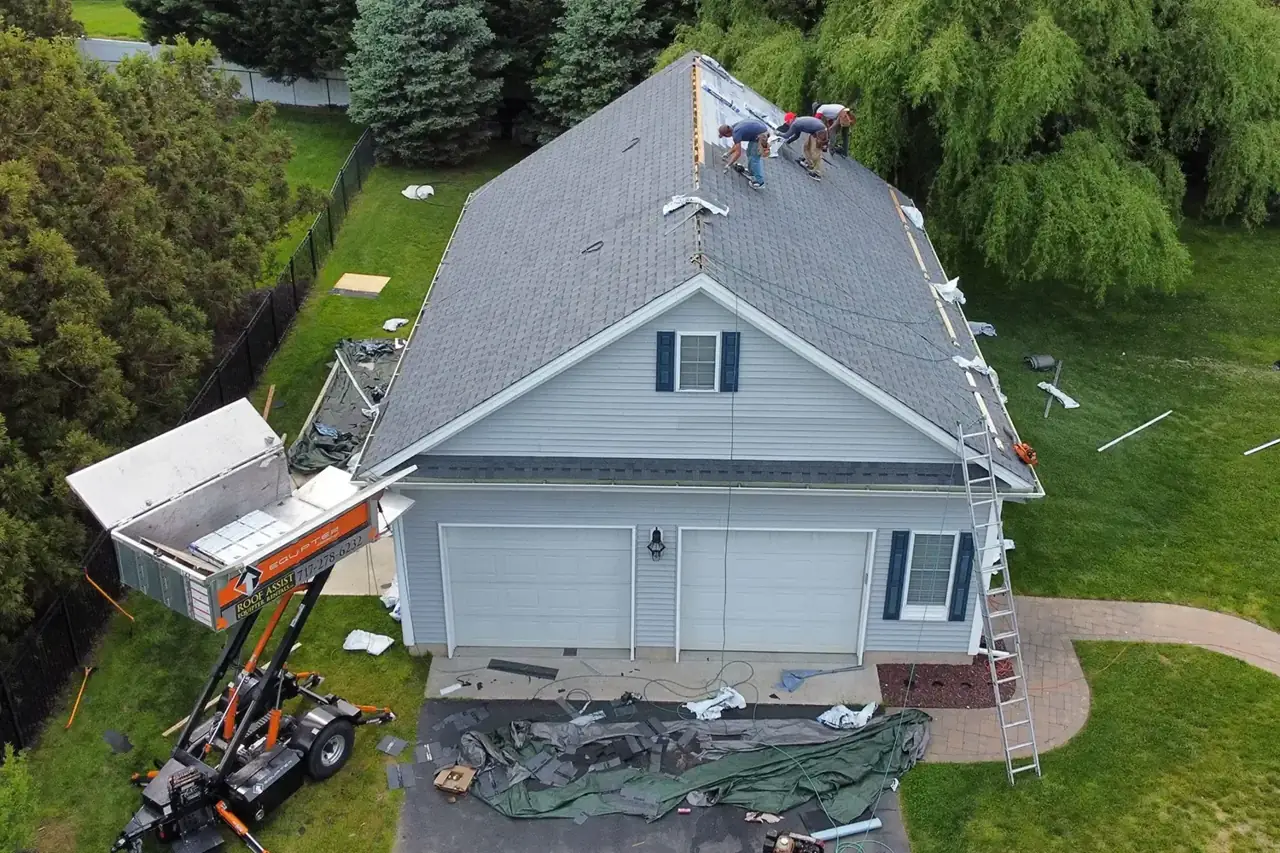
Replacing one half of a shared roof is routine for us, but it has to be done carefully. We stop the tear-off at the party line, then run new underlayment past the line and under the neighbor's shingles. The seam gets flashed so water on either side sheds past it instead of into it. The ridge cap is finished so the two halves meet cleanly. If the neighbor's side is in rough shape, we'll say so, and we're glad to quote both halves together when both owners are interested. One crew doing the whole roof in one visit usually gives the cleanest result.
A century of re-roofing leaves layers behind. We commonly find two or three old roofs stacked on top of plank sheathing with gaps between the boards. Everything comes off, loose or rotted boards get replaced, and we add sheathing where the gaps are too wide to hold nails.
Built for valley snow and river damp
Plymouth sits along the Susquehanna on the west side of the Wyoming Valley. That means about 45 inches of snow in an average winter, plenty of freeze-thaw swings, and damp air that feeds algae and moss on shaded slopes. Every new roof we put on in the borough is built around that:
- Ice and water barrier at the eaves and in the valleys, where meltwater backs up first.
- Synthetic underlayment across the rest of the deck, with new drip edge on every edge.
- Architectural asphalt shingles from a GAF-certified crew, with algae-resistant options if your roof sits in the shade.
- New step and counter flashing on the brick chimneys, which have usually failed more than once.
- Balanced attic venting, so heat escaping from the house doesn't melt snow from below. See our roof ventilation page for how that's sized.
The low-slope roofs over back porches and kitchen additions get EPDM rubber instead of shingles. Plymouth is also part of the Wyoming Valley levee system, and some older homes still show signs of earlier floods, so we check the framing at the eaves and the deck closely once the old roof is off.
Borough or township? Permits and planning
The first thing we confirm on a Plymouth job is which municipality the house is in. Code matters in the borough go through Plymouth Borough's Code Enforcement department, while Plymouth Township, next door, is its own municipality with its own permits. Some residential repair work is exempt statewide under the UCC, so a re-roof's permit needs depend on the local office. Once we know where you are, we confirm the requirement, pull the permit when one is needed and schedule the inspection.
Plymouth's streets can be steep and narrow, and many homes share alleys or driveways, so we plan the dumpster and material drop before the crew arrives. Because our Plymouth office is in town, a follow-up visit after the job is easy to set up.
If your roof might have a few good years left, ask about a roof repair first. You can also read how our roof replacement system is put together, or get a starting number from the Instant Roof Quote.
More detail on how we handle this work anywhere we serve: Roof Replacement. Everything we do in Plymouth: roofing in Plymouth, PA.