
Two kinds of Dunmore roof: down the hill and up it
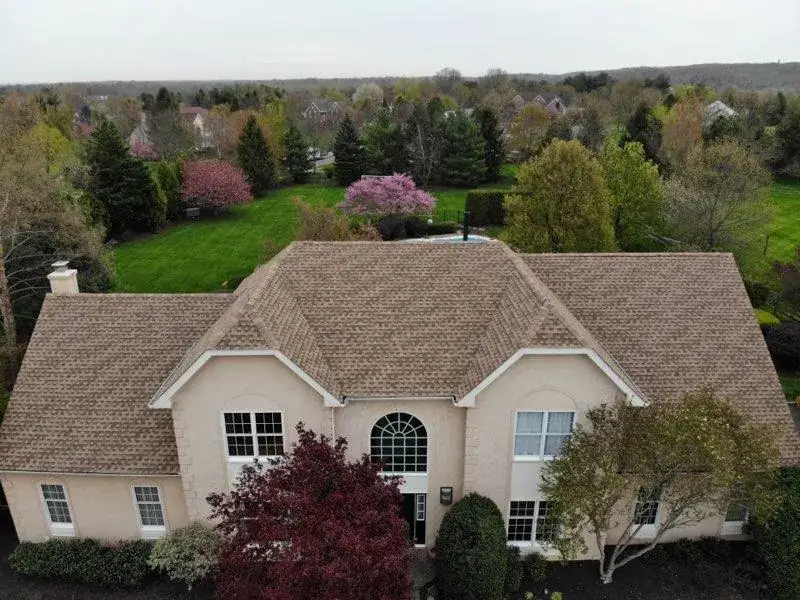
Dunmore is a borough where two houses a mile apart can live in different weather. The older streets near Dunmore Corners and the Scranton line sit lower in the Lackawanna Valley and are fairly sheltered. The southeastern side of the borough climbs toward the Moosic Mountains, and homes up there take more wind and hold snow longer. We plan a replacement around which of those your house is.
On an exposed hillside lot, the edges get the most attention, because that's where wind gets under a roof first:
- Starter strips with a factory sealant line along the eaves and up every rake, so the first course is bonded down and not just nailed.
- Nailing to the manufacturer's high-wind pattern where the exposure calls for it.
- New drip edge fastened tight along every edge.
- Ice and water barrier at the eaves and valleys, which matters even more where snow sits for weeks.
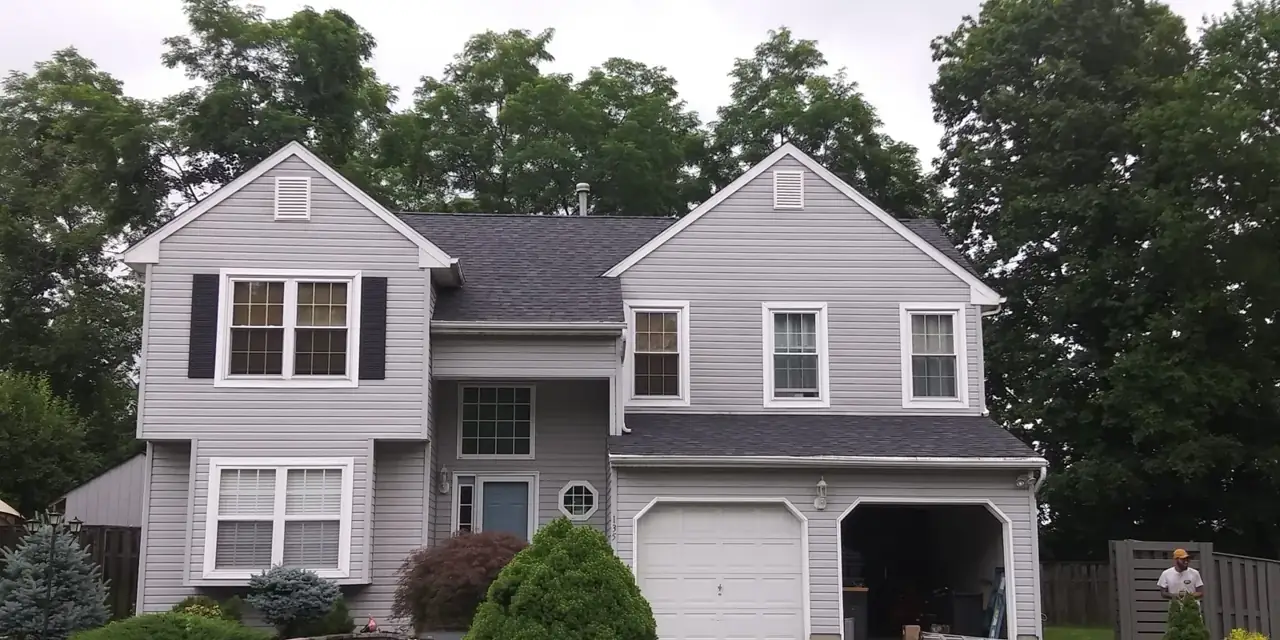
Down in the valley, the bigger issue is usually shade. Mature trees and closely spaced houses keep north slopes damp, and that's where algae streaks and moss show up. On those roofs, algae-resistant architectural shingles are worth considering, and good attic venting keeps the deck dry from below.
Boom-era houses and what's under them
Dunmore grew fast on coal, brick, stone and silk, going from about 8,300 people in 1890 to more than 23,000 by 1940. Much of the housing along streets like Drinker Street dates from that boom: tall frame houses with dormers set into steep main roofs, brick chimneys that have seen several roofs come and go, and a good number of double-blocks with two families under one ridge.
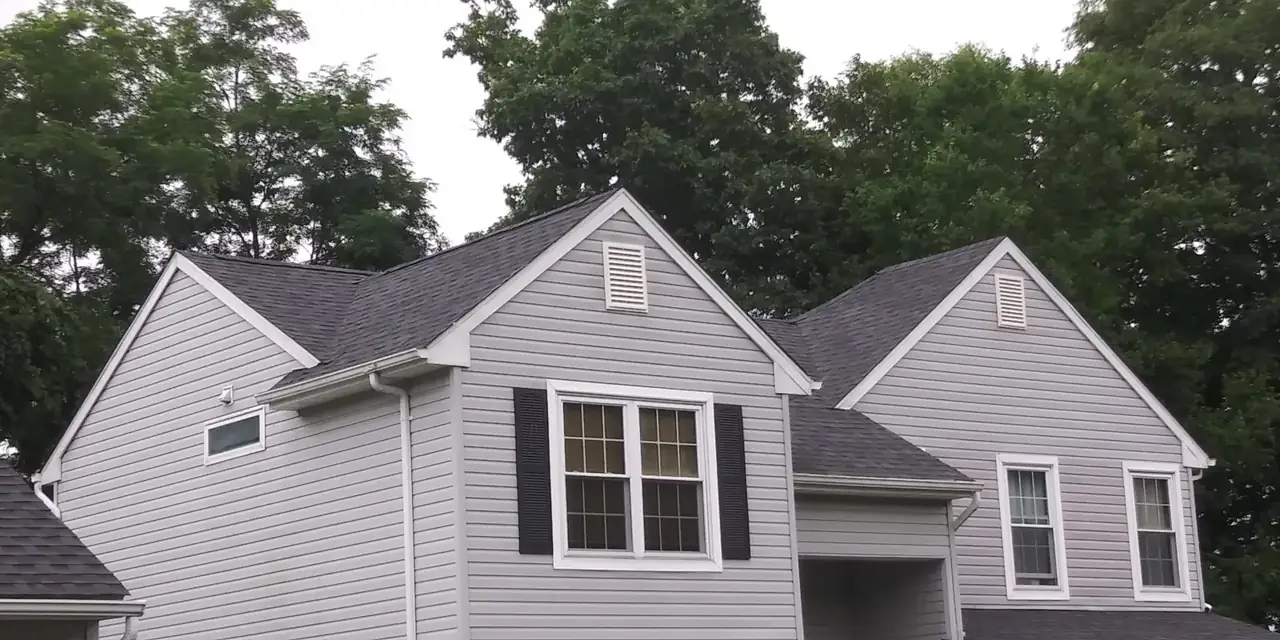
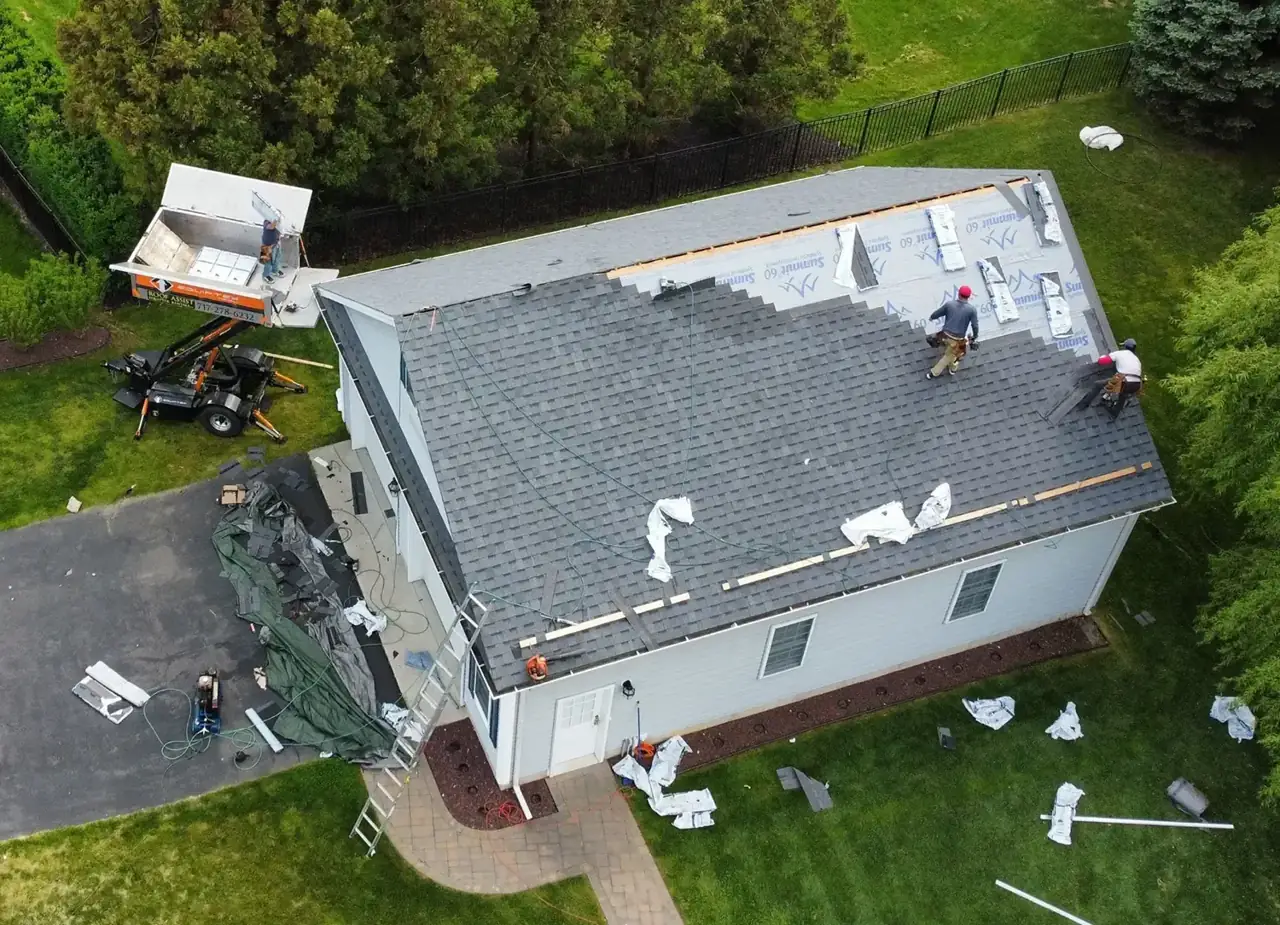
When we tear those roofs off, we usually find at least two old layers and board sheathing underneath. The boards get checked one by one. Loose ones are re-nailed, rotted ones are replaced, and we add sheathing where the gaps are too wide to hold nails. Dormer walls and chimneys get new step and counter flashing rather than reused metal, and we balance intake and ridge exhaust so the attic stays cold enough to limit ice dams. Our roof ventilation page covers that side of it.
On a double-block, we can replace just your half and seal the seam at the party line with overlapping underlayment and flashing. If your neighbor wants in, quoting both halves together often gives you a straighter ridge line and one dumpster on the street instead of two. Porches, back kitchens and garage additions with low-slope roofs get EPDM rubber.
Dunmore permits and getting on the schedule
Code questions in the borough belong to the Borough of Dunmore's Code and Zoning Department, which directs residents to its outside consultant, Northeast Inspection Consultants (NEIC), for most permit paperwork. Because the state UCC leaves some residential repair work exempt, a re-roof's requirements come down to the borough's rules. We check them for your address, and if the job needs a permit, we file the paperwork and book the inspection.
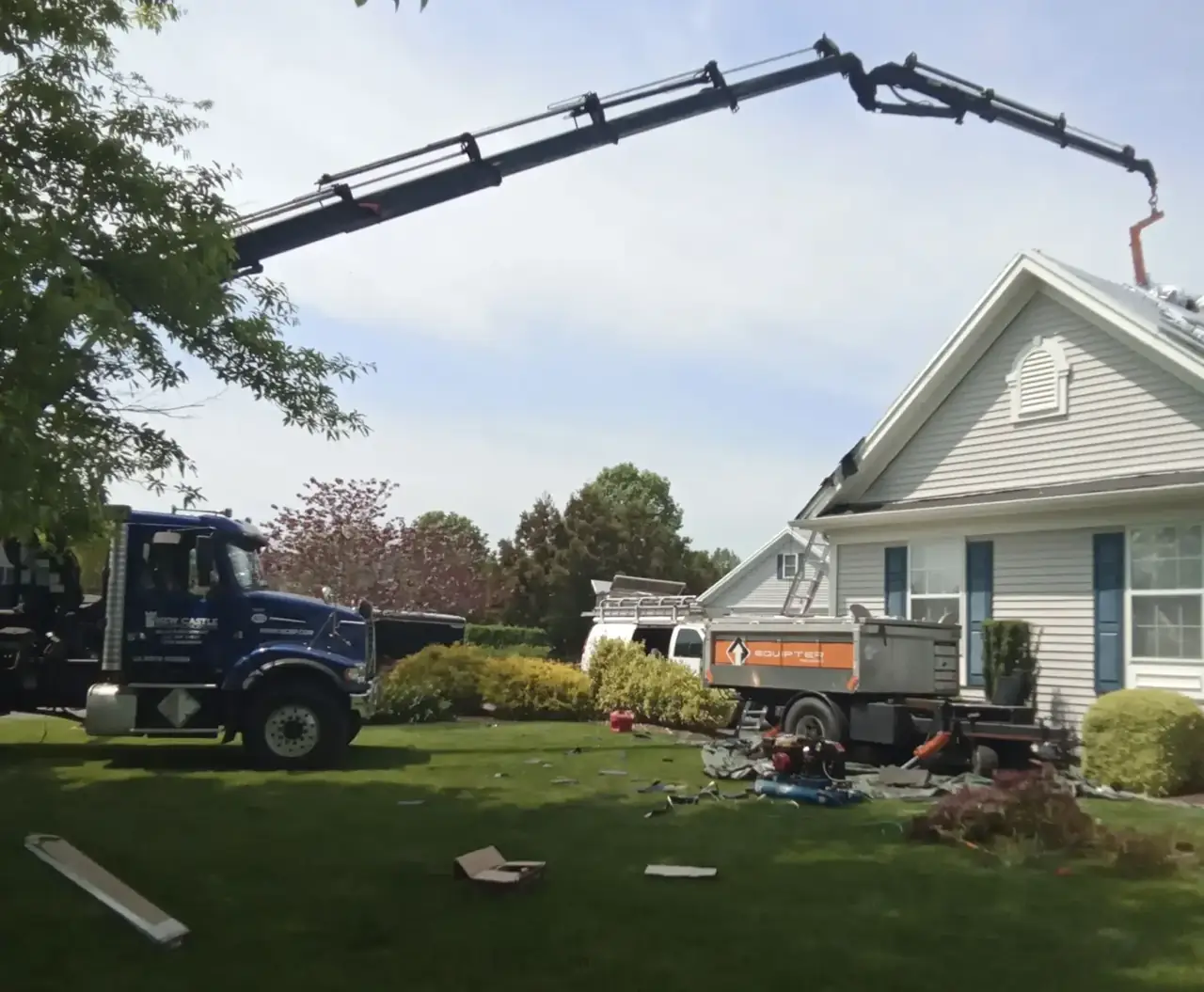
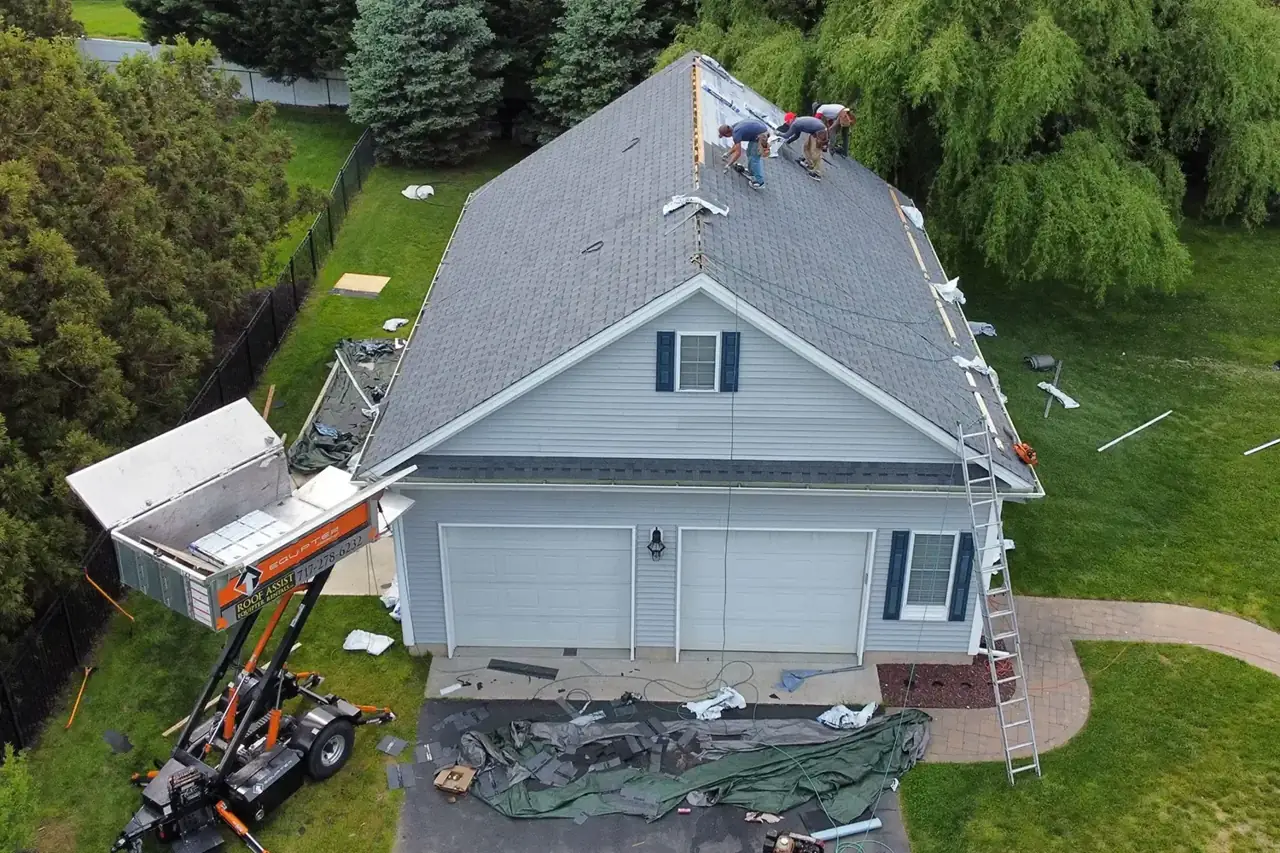
Many of the borough's streets are steep or narrow, including the blocks around the Penn State Scranton campus, so we plan dumpster placement and ladder setup for your specific lot. We don't open up a roof with rain or snow in the forecast.
If your roof might have a few more years in it, ask us to look at a roof repair first. For details on materials and process, see our roof replacement page, or get a starting number from the Instant Roof Quote.
More detail on how we handle this work anywhere we serve: Roof Replacement. Everything we do in Dunmore: roofing in Dunmore, PA.