
Why a Hazleton roof is built differently
At roughly 1,689 feet, Hazleton sits well above the Wyoming Valley towns we serve, and the roof has to be built for it. The city averages around 47 inches of snow a year, a little more than the valley. More importantly, snow up here sits longer, drifts harder and comes with more wind. A roof that would get by in a sheltered valley town can fail on the mountain when ice at the eaves and a strong gust hit the same week.
So the spec on a Hazleton replacement leans toward protection:
- Ice and water barrier at every eave and down every valley. On a low-pitch roof or a house with a history of ice dams, we'll talk about running it farther up the slope.
- Synthetic underlayment over the rest of the deck, which holds up better than felt if the roof is ever exposed to weather.
- Sealed starter strips along the eaves and rakes, with nailing to the manufacturer's high-wind pattern where the exposure calls for it.
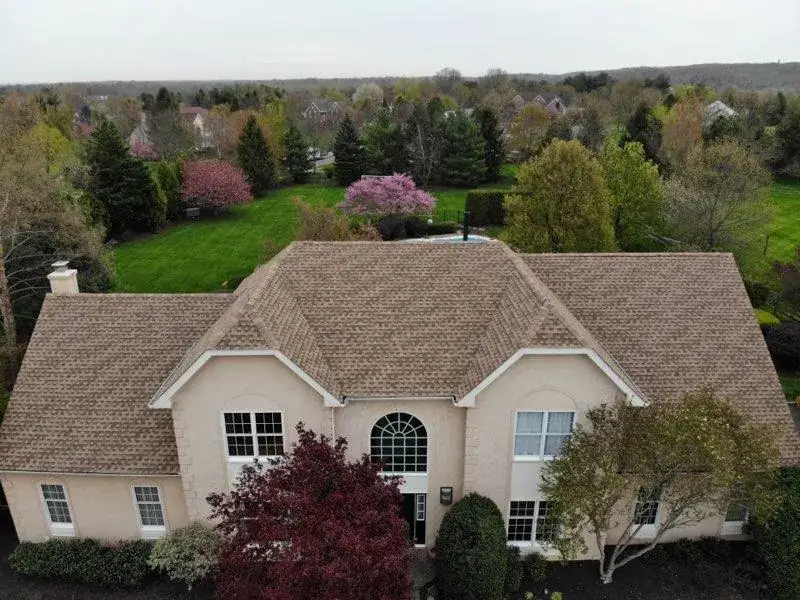
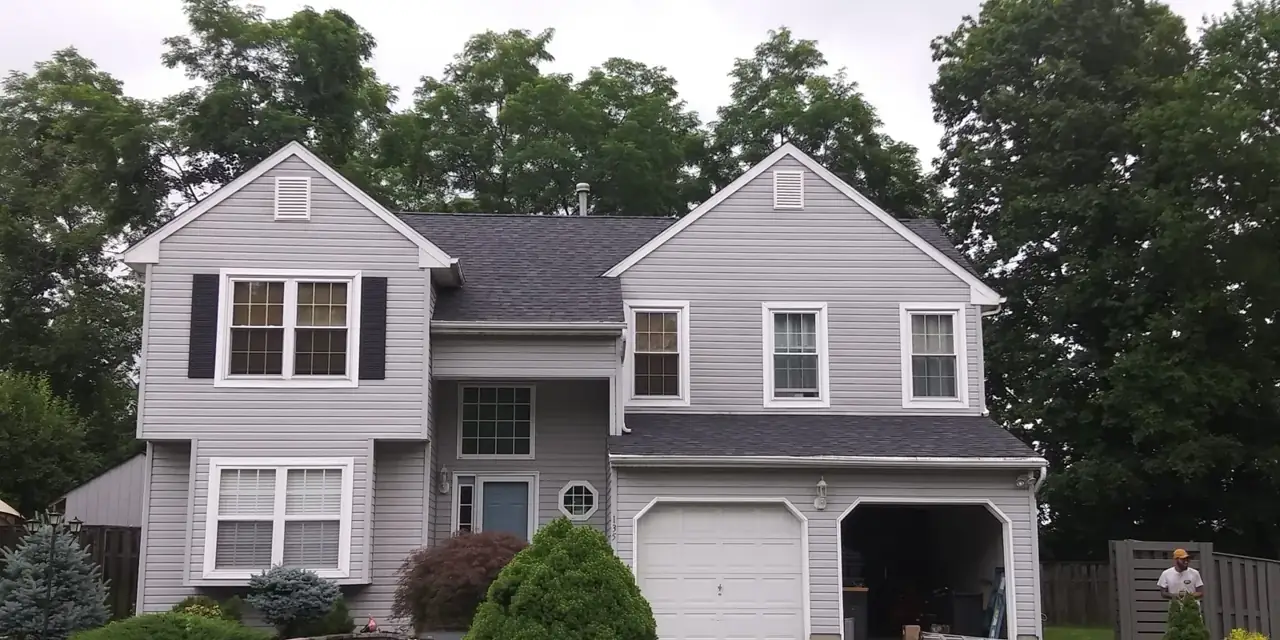
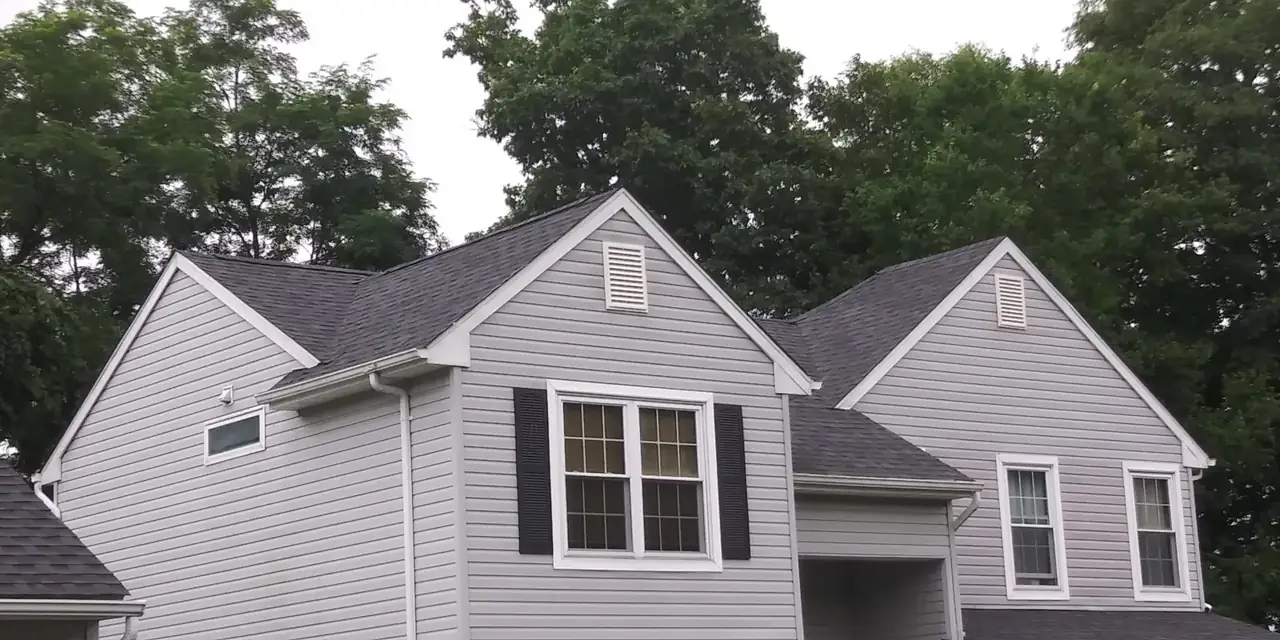
- Architectural asphalt shingles installed by a GAF-certified crew, with matching ridge cap.
- Ventilation that keeps the attic cold, so snow melts from the sun and not from the heat of the house. Our roof ventilation page explains how we size it.
Rowhomes, double-blocks and heavy snow
Hazleton was already a city by 1891, and a lot of the older housing on the downtown grid around Broad, Church, Wyoming and Laurel streets dates from its anthracite and industrial peak. That means brick and frame rowhomes and double-blocks, where your roof runs straight into a neighbor's. Replacing one unit's roof means tying in cleanly at each party wall with underlayment lapped under the adjoining roof and flashing that keeps the seam dry. We look at the neighboring roofs before we start, so you know what condition they're in where they meet yours.
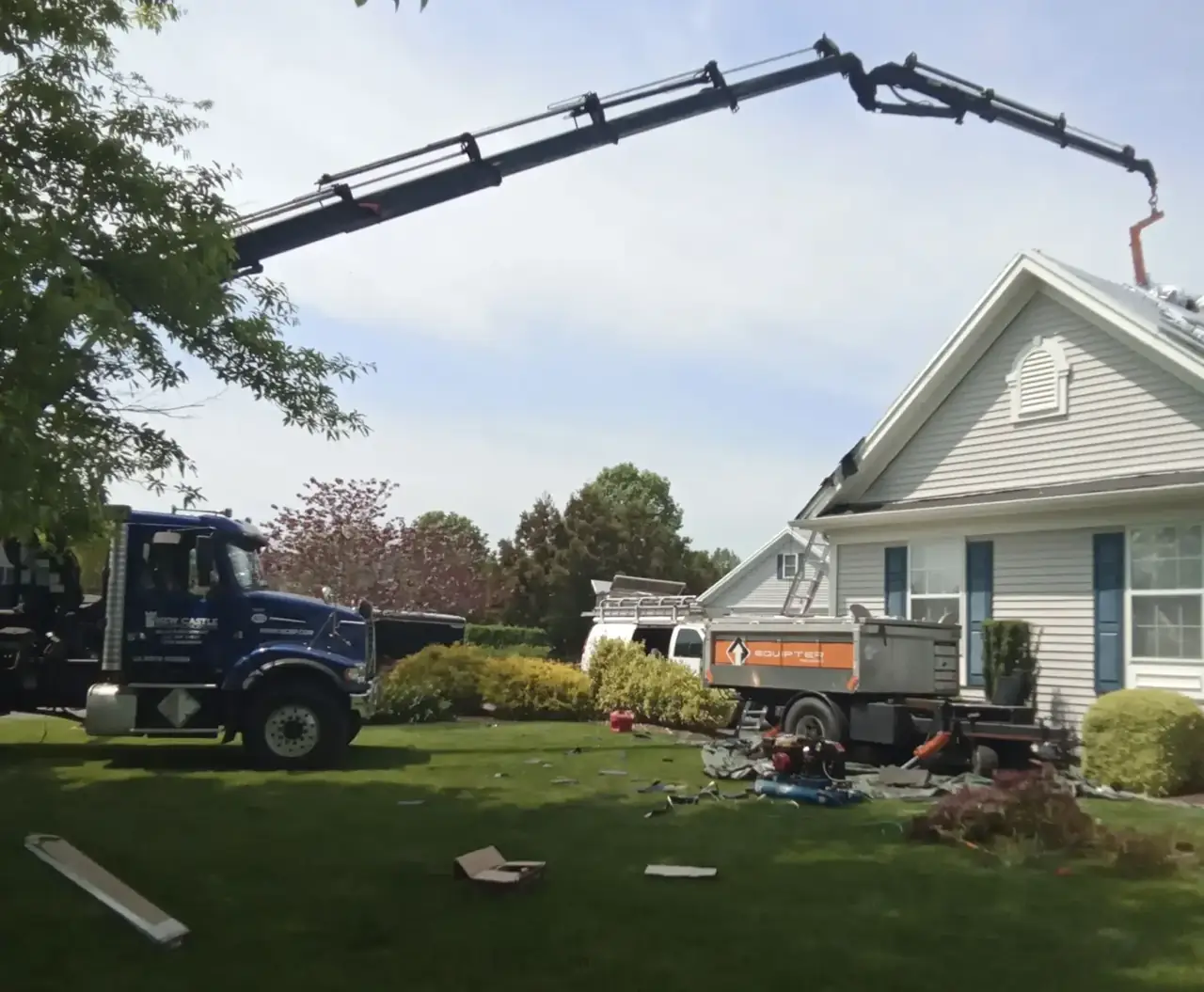
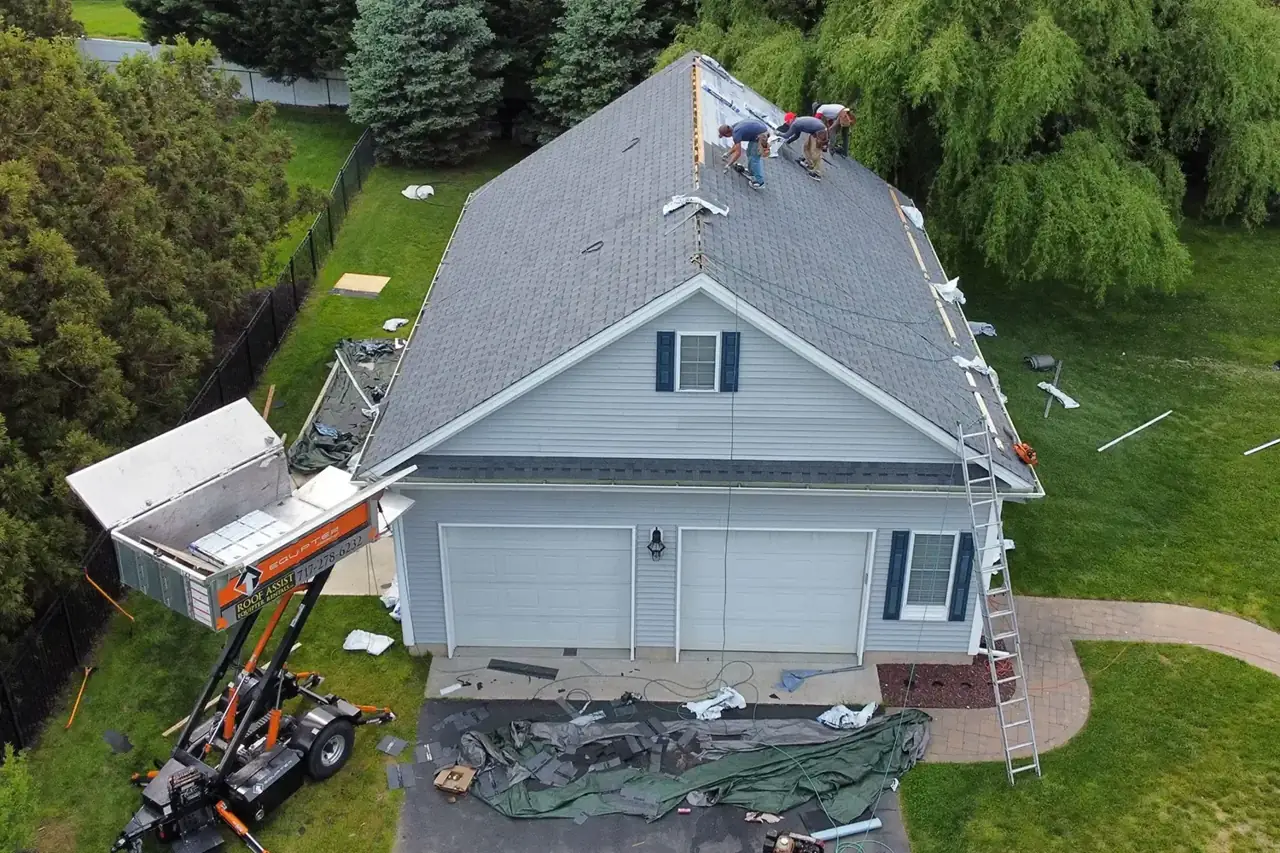
Heavy snow is the other thing we check for on every tear-off. A wet snowfall followed by rain loads a roof with a lot of weight, and older roofs with sagging decks or rot at the eaves are the ones that show it. With the shingles off, we can see the deck clearly. We replace soft or broken sheathing and add sheathing where old boards are too far apart to nail. If a sag or a cracked rafter points to a framing problem, we photograph it and tell you it's a question for a structural engineer before the roof is closed up.
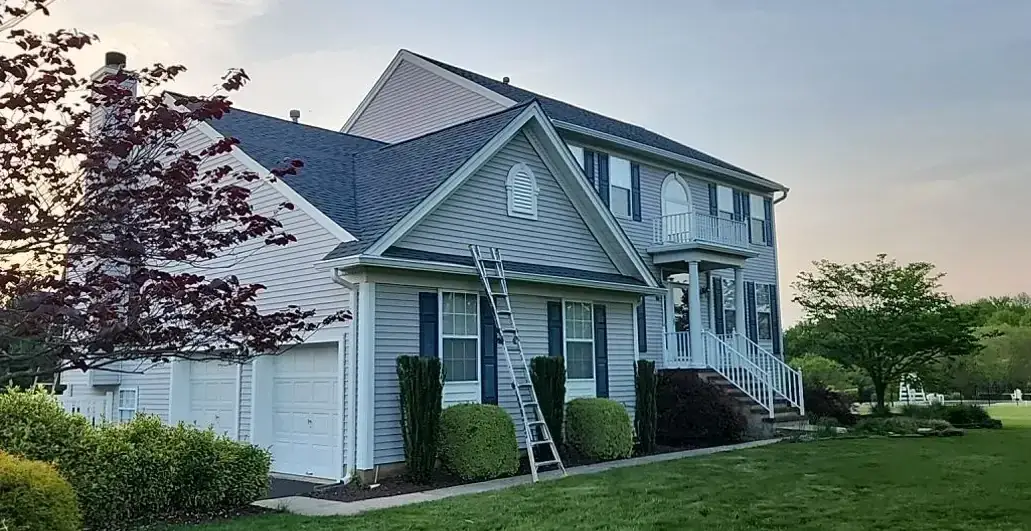
Newer single-family homes on the city's edges get the same build, usually with fewer layers to strip and a simpler roof. Low-slope porch and addition roofs get EPDM rubber instead of shingles.
City permits and mountain scheduling
Inside city limits, a roofing permit is a matter for the City of Hazleton's Code, Licensing and Permits offices at City Hall, while West Hazleton and Hazle Township each keep their own process. Pennsylvania's UCC leaves some residential repair work exempt, so what a re-roof requires is set locally. Once we know which office covers you, we check its rule; when a permit is required, we file it and book the inspection.
Mountain weather turns quickly, so we watch the forecast closely and only strip as much roof as we can dry in the same day. If your roof is borderline, it's better to decide before winter than after the first ice storm.
Not sure it needs replacing yet? Ask us about a roof repair first, and we'll give you an honest answer. More on materials is on our roof replacement page. For a starting number, use the Instant Roof Quote.
More detail on how we handle this work anywhere we serve: Roof Replacement. Everything we do in Hazleton: roofing in Hazleton, PA.