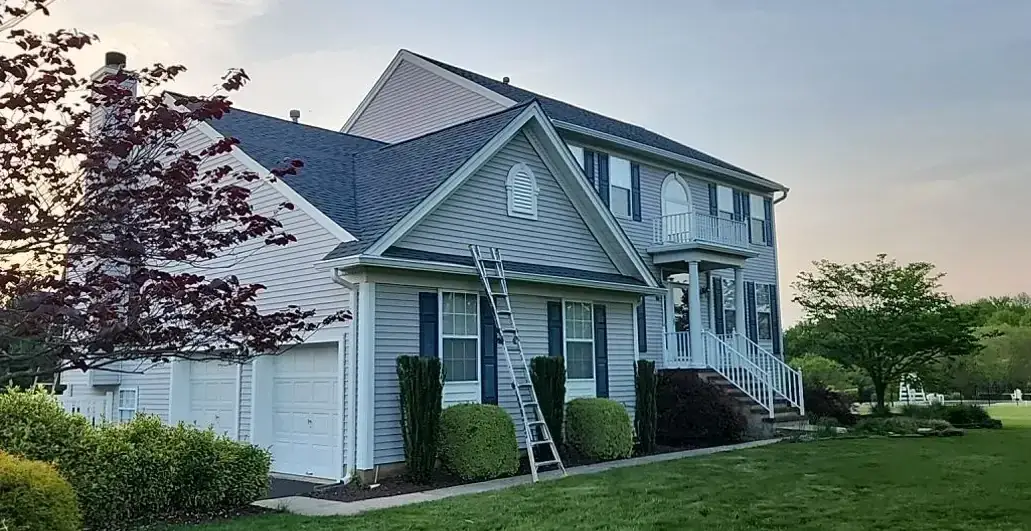

Roofing services in Scranton
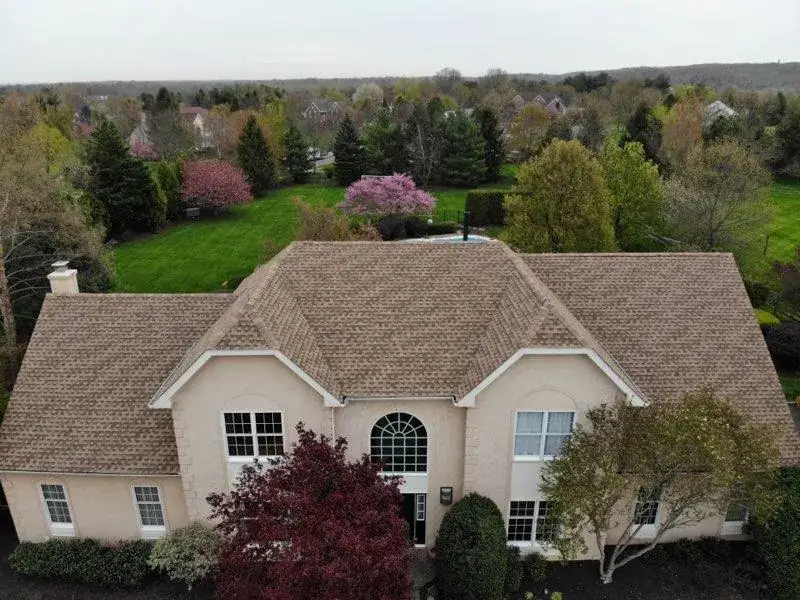
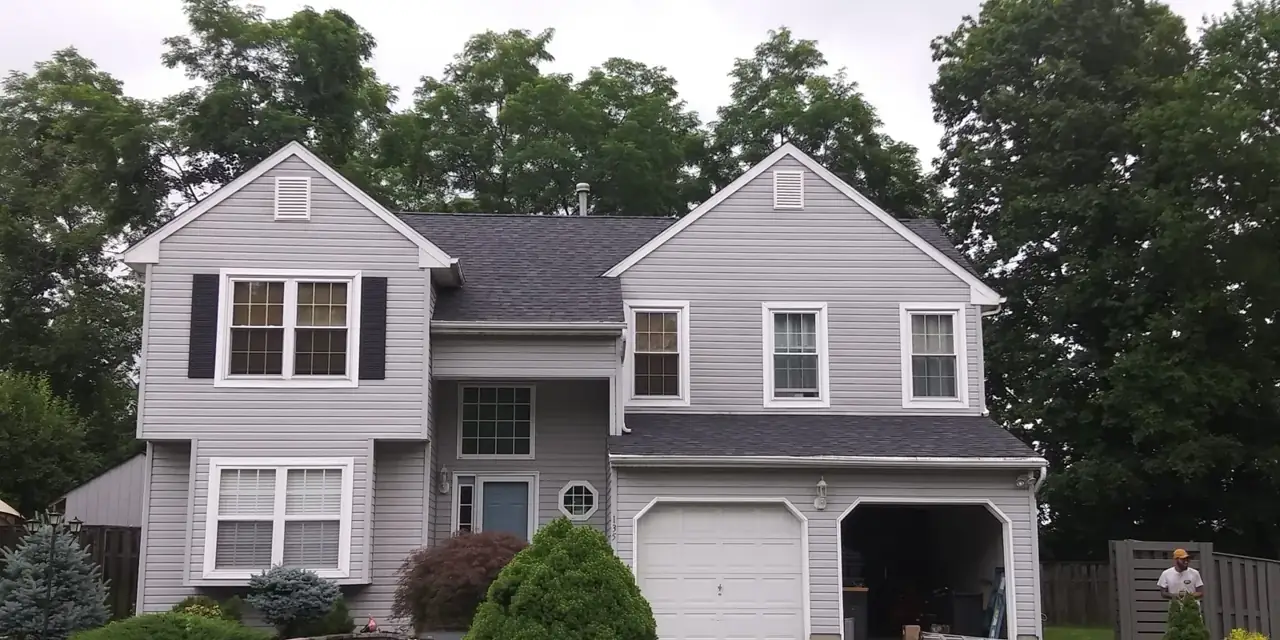
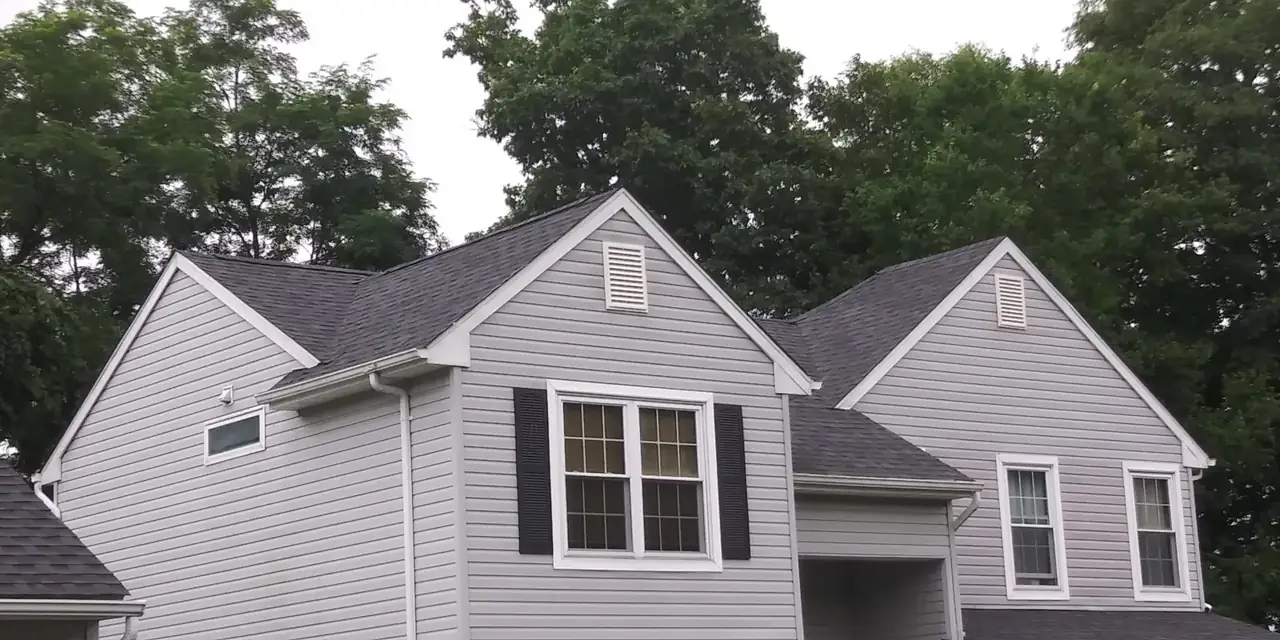
Scranton is the biggest city we serve in Pennsylvania, and it has every kind of roof problem you can think of. There are steep slate-era rooflines in the Hill Section, low-slope additions tacked onto the back of North Scranton homes, and tired shingle roofs on the post-war houses up toward East Mountain. Our crew handles all of it:
- Roof replacement: a full tear-off to the deck and a new architectural shingle system with ice barrier, underlayment and ventilation done right.
- Roof repair: leaks around chimneys, blown-off shingles, failed pipe boots and worn flashing.
- Storm damage repair: wind and hail inspections with photo documentation. We can meet your adjuster on site.
- Roof inspection and maintenance: a written report on what's failing now and what can wait.
- Flat roofing (EPDM): rubber membrane for porches, rear additions and other low-slope sections.
- Roof ventilation: ridge and intake venting that keeps the attic cold in winter and cuts down on ice dams.
- Gutters, gutter guards and siding, so the water that comes off the roof actually leaves the house.
If you want a ballpark before anyone climbs a ladder, try our Instant Roof Quote. It gives you a starting number in a couple of minutes. We'll still come out and look before we give you a real estimate.
Why Scranton roofs wear out
Scranton sits in the Lackawanna Valley, with the Lackawanna River running through the middle of the city and mountains on both sides. That setting shapes how roofs age here.
Snow, ice and freeze-thaw
The Wilkes-Barre/Scranton airport averages about 45 inches of snow a year (1991–2020 normals), and that's measured on the valley floor. Neighborhoods on higher ground, like West Mountain and East Mountain, often hold snow longer. The real damage comes from the cycles more than the snowfall. Snow melts on a sunny afternoon, refreezes overnight, and works its way under shingle tabs and flashing. Ice dams build up at the eaves of poorly vented attics. When the thaw comes, that water backs up under the shingles and shows up as a stain on the bedroom ceiling.
Shade, moisture and algae
Many Scranton streets are tight, with houses close together and mature trees on the hillsides. Roof slopes that don't see much sun stay damp, which is why so many roofs in the city have black algae streaks and patches of moss on the north side. Moss holds water against the shingles and lifts their edges over time.
Older housing stock
The city grew fast during the anthracite era, so a big share of Scranton's homes are well over a century old. We see:
- Tall two-and-a-half-story frame houses with steep main roofs and dormers.
- Coal-era double-block homes, where two families share one roof and the ridge runs across the party wall.
- Rear kitchens and porches with low-slope roofs that were re-covered with roll roofing more than once.
- Chimneys that have lost their original flashing, or were re-flashed with tar and nothing else.
Every one of those details needs its own approach. A shared double-block roof, for example, has to be tied in cleanly at the property line if only one side is being replaced.
Signs your Scranton roof needs attention
Walk around the house after a storm or at the end of winter and look for:
- Shingle granules piling up at the bottom of the downspouts.
- Curled, cracked or missing shingles along the ridge and the rake edges.
- Stains or peeling paint on upstairs ceilings, especially near chimneys and dormers.
- Icicles that form along the same stretch of gutter every year, a sign of heat loss and ice damming.
- Thick moss on the north-facing slope.
Any one of those is worth a call. We'll get on the roof and show you photos of what we find, so you can decide what to do without guessing.
Scranton neighborhoods we cover
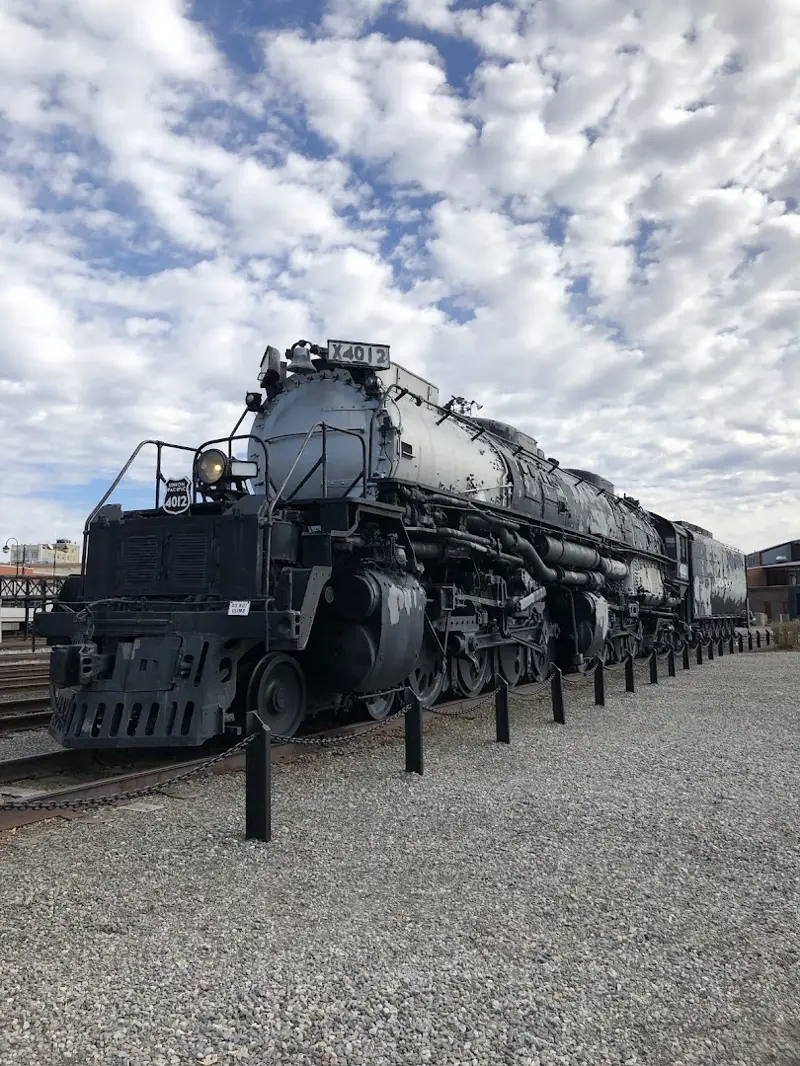
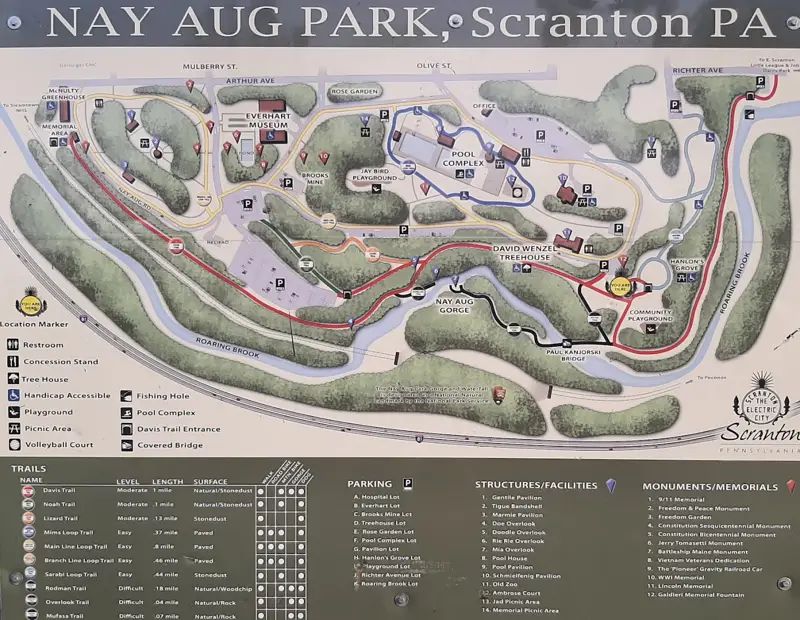
We work across the whole city. That includes Green Ridge and the Hill Section, with their big older homes and steep roofs. It includes North Scranton, the West Side and the South Side, where the housing is tighter and double-blocks and narrow lots are common. It also includes Minooka and the newer homes up on West Mountain and East Mountain. If you live near Nay Aug Park, around Courthouse Square downtown or close to the Steamtown National Historic Site, the same crew comes to you. Many Scranton jobs mean staging a dumpster on a narrow one-way street or a steep driveway, and we plan for that before the first shingle comes off.
We also serve the rest of Lackawanna County, including Dunmore right next door. Our Luzerne County customers in Pittston, Wilkes-Barre and Kingston are a short drive down the valley. See our Lackawanna County roofing page for the full list.
Permits and code in Scranton
Pennsylvania's Uniform Construction Code (UCC) is enforced locally, so every municipality sets up its own permit process. In Scranton, the city is clear: its permit page says all construction projects in the city require a permit, and the work is expected to be done by an insured, licensed contractor. Permits run through the City of Scranton's code enforcement office.
When you hire us, we pull the permit and schedule any required inspection. You don't have to make the trip to City Hall. On the roof itself, we build to the residential code the UCC adopts. That means an ice barrier at the eaves where ice damming is a known problem, which describes most of the Lackawanna Valley. It also means underlayment across the rest of the deck, proper drip edge, and flashing at every wall, chimney and vent.
How a roof replacement works with us
- Inspection. We go up on the roof and into the attic when we can get to it. We photograph what we find: soft decking, failed flashing, ventilation problems and storm damage.
- Written estimate. You get a clear scope. It covers what's being torn off, which shingle system goes on, how the ventilation will be handled and what happens at chimneys and walls. Financing is available if you want to spread out the cost.
- Permit. We file with the City of Scranton and schedule the work.
- Tear-off and deck repair. We strip the roof to the deck and replace any rotted boards. We protect your landscaping and siding while we work.
- Installation. Ice barrier at the eaves and valleys, underlayment, drip edge, new flashing, architectural shingles and ridge venting.
- Cleanup. Debris goes straight into the dumpster. We run over the yard and driveway to pick up nails.
- Final walkthrough. We walk the job with you and go over your warranty paperwork.
If storm damage is the reason you're replacing the roof, we document the damage with photos and can meet your adjuster on site. The claim itself stays between you and your insurer.
Repair or replace?
Not every Scranton roof needs to come off. If the shingles still have life and the problem is limited to one area, like a chimney, a valley, a vent boot or a few wind-lifted tabs, we'll recommend a repair and tell you roughly what it should buy you. If the roof has two or three old layers, a soft deck, or leaks in more than one place, patching usually just moves the leak somewhere else. In that case a full replacement is the better use of your money. Either way, you'll see the photos before you decide.
Why Scranton homeowners choose Allabaugh
- Licensed in Pennsylvania. PA Home Improvement Contractor #PA162561. We're also licensed in New Jersey (#13VH09734600).
- GAF-certified roofing contractor.
- Lifetime manufacturer's warranty and a 10-year workmanship warranty.
- Financing available.
- 5.0 stars from 233 Google reviews.
- 20+ years of roofing experience, led by owner Jared Allabaugh.
- A Pennsylvania office in Plymouth, just down the valley in Luzerne County.
Ready to find out where your roof stands? Call (814) 330-4897 for a free estimate, or start with the Instant Roof Quote.