
Where Scranton roofs usually leak
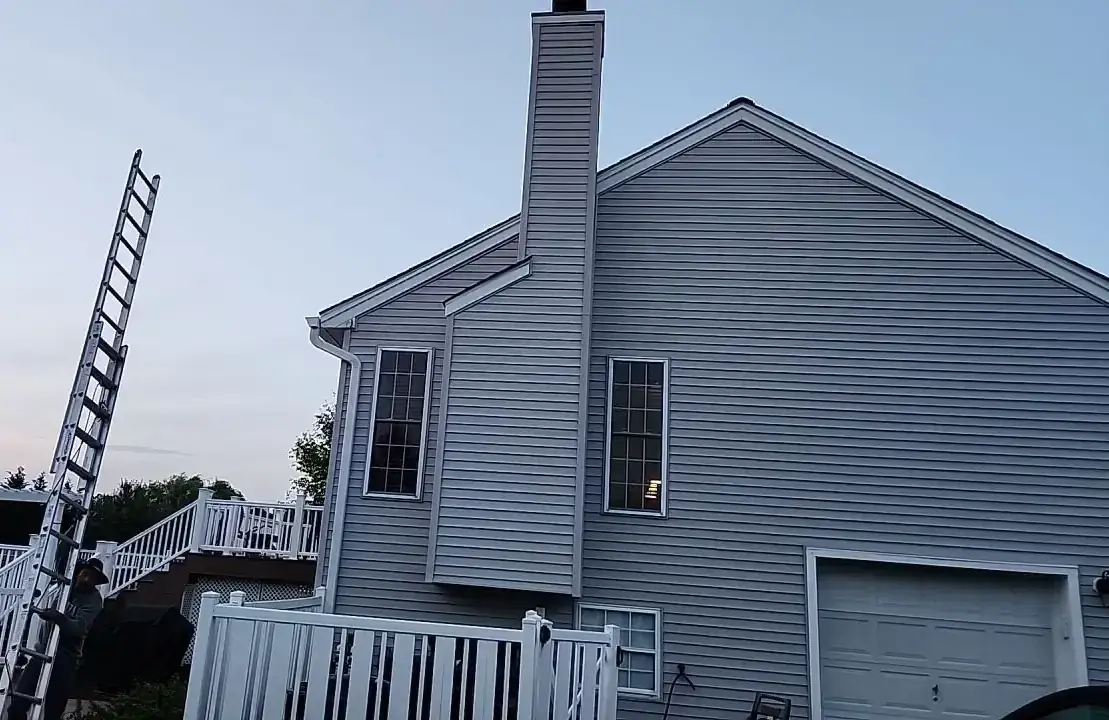
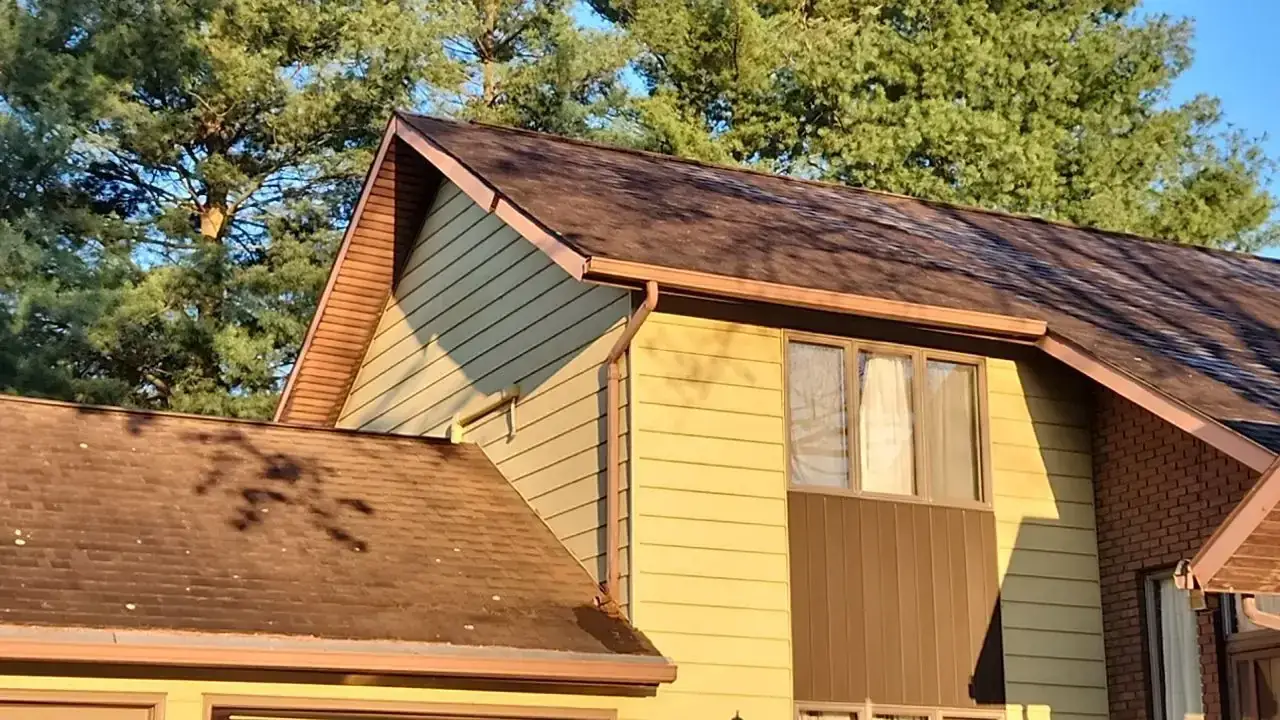
Most leaks we trace on Scranton homes start at a joint, not in the middle of the shingles. The older housing stock has a lot of joints: dormers on the tall frame houses in the Hill Section and Green Ridge, brick chimneys that have outlived several roofs, and the line where a low-slope back kitchen meets the main wall of the house in North Scranton or the South Side.
The patterns repeat:
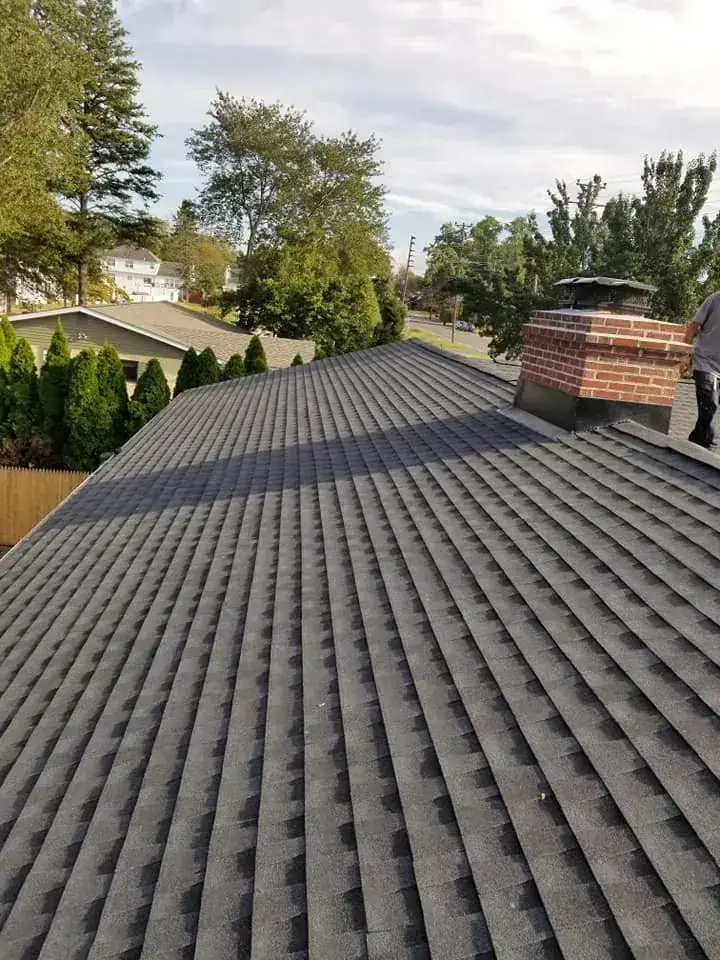
- Chimneys that were re-flashed with roofing tar instead of metal. Tar cracks after a few winters, and water follows the brick into the attic.
- Dormer walls where the step flashing has rusted through or was never woven into the shingle courses in the first place.
- Rear additions covered in roll roofing that has been patched several times. The leak usually shows up where the low roof meets the house.
- Pipe boots whose rubber collar has cracked from years of sun and cold.
We pull back the shingles around the problem, replace the failed flashing with new metal lapped the right way, and seal it without leaning on caulk. For a porch or back-kitchen roof that's past patching, we can re-cover it in EPDM rubber instead.
Ice dams, wind and shared rooflines
Late winter brings a certain call. A stain spreads across an upstairs ceiling after a thaw, even though the roof looked fine in the fall. On Scranton's older two-and-a-half-story homes, finished attics leak heat into the roof deck, snow melts up high and refreezes at the eaves, and the trapped water backs up under the shingles. Homes up on West Mountain and East Mountain tend to hold snow longer, so they see it more.
We repair the damaged decking and shingles at the eave, and if the roof has no ice barrier there, we explain what adding one would involve. We'll also tell you whether the attic's venting is part of the problem, because a repair won't hold if the attic keeps melting the snow. See our roof ventilation work for that side of it.
Wind is the other common culprit. Tabs lift along the ridge and rake edges, the sealant bond breaks, and the next storm finishes the job. After wind or hail, we photograph the damage and can meet your adjuster on site. Our storm damage repair page explains how that works.
On a double-block, a leak at the party wall can come from either side of the ridge. We look at the whole shared roof before we blame one half, and we repair the seam so both sides shed water correctly.
Repair or replace: a straight answer
We'd rather fix a Scranton roof that has years left than sell you one you don't need. A single failed chimney flashing, a cracked pipe boot or a handful of blown-off tabs is a repair. When the shingles are shedding granules everywhere, the deck is soft in more than one spot, or there are already two old layers on the house, patching one leak usually just moves it. In that case we'll tell you a roof replacement is the better use of your money, and walk you through what we found.
On permits: Scranton's city permit page says a permit is required for all construction projects, so we don't assume a repair is exempt. We check with the city's code enforcement office based on the scope of the work, and if a permit is needed, we pull it.
For more on how we approach leaks, see our roof repair page. If the roof is older and you're weighing the bigger job, the Instant Roof Quote gives you a starting number for a full replacement.
More detail on how we handle this work anywhere we serve: Roof Repair. Everything we do in Scranton: roofing in Scranton, PA.