
Leaks where the house meets the addition
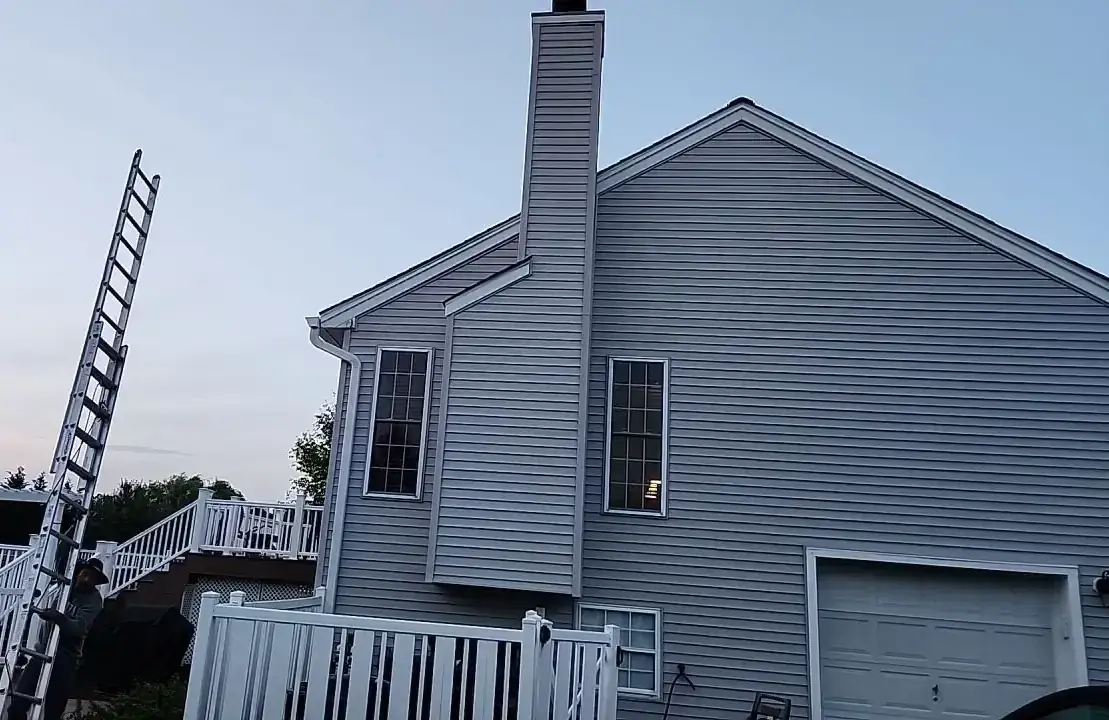
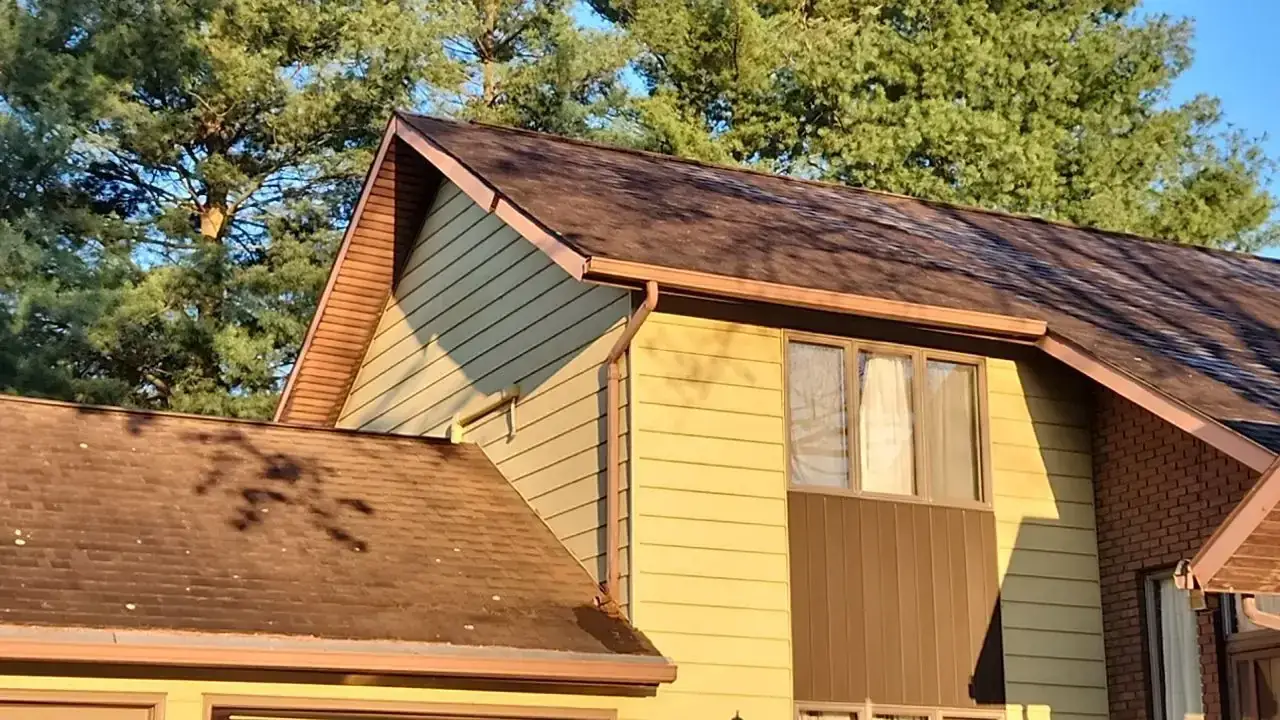
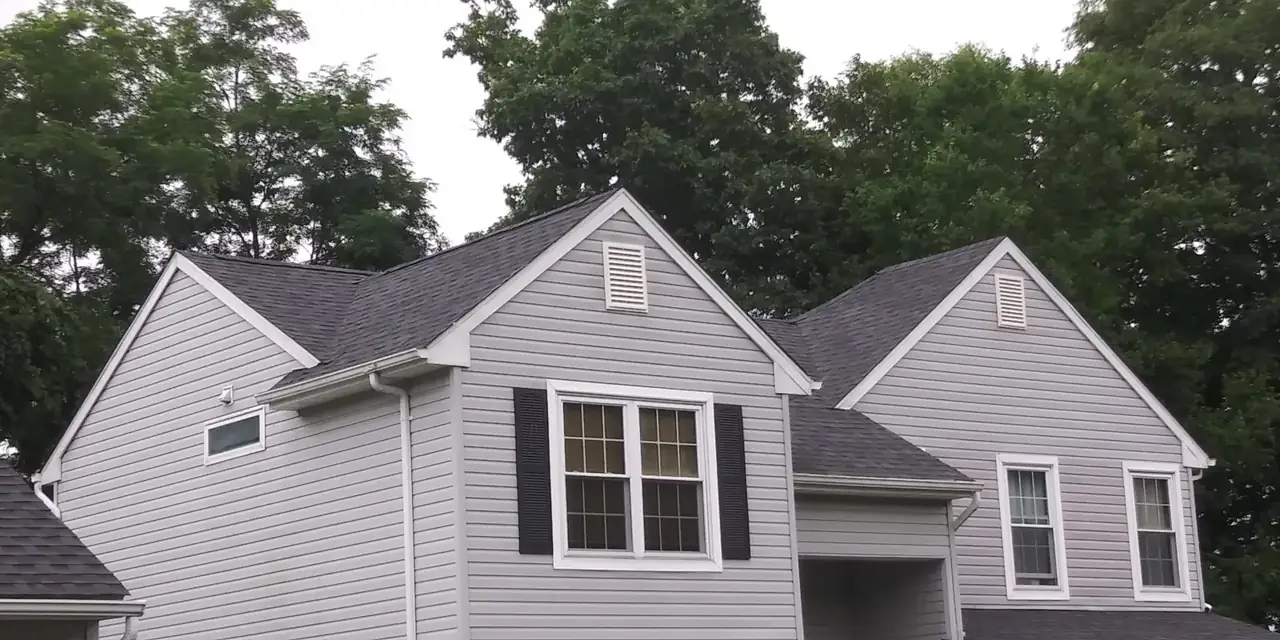
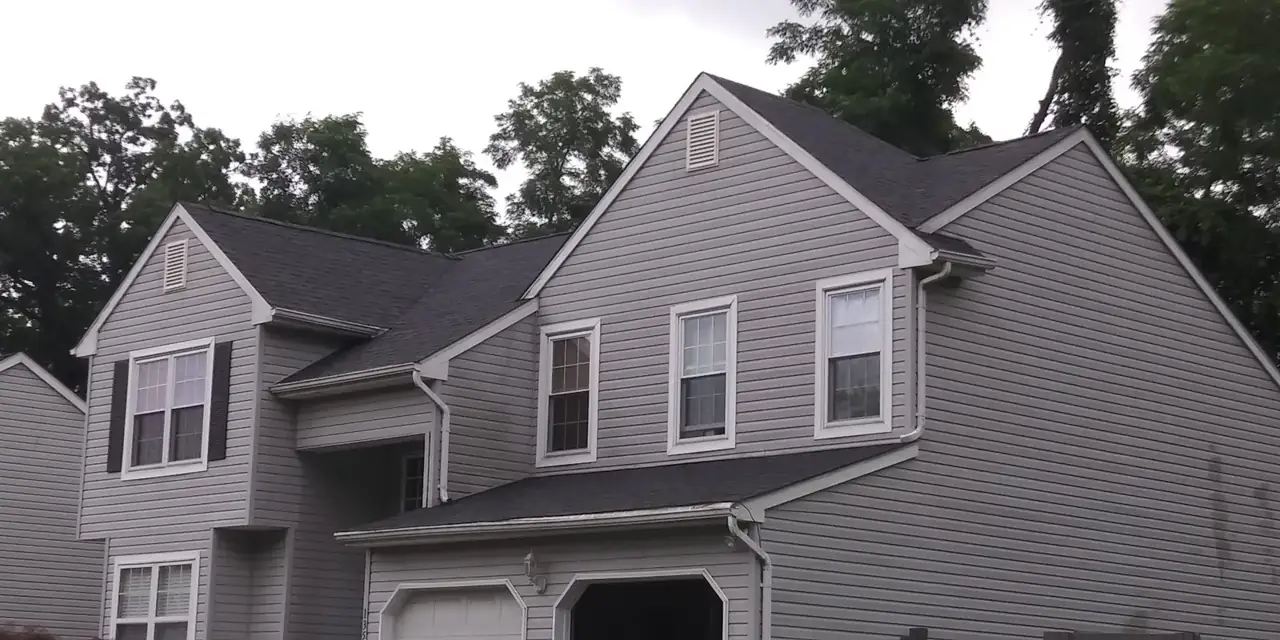
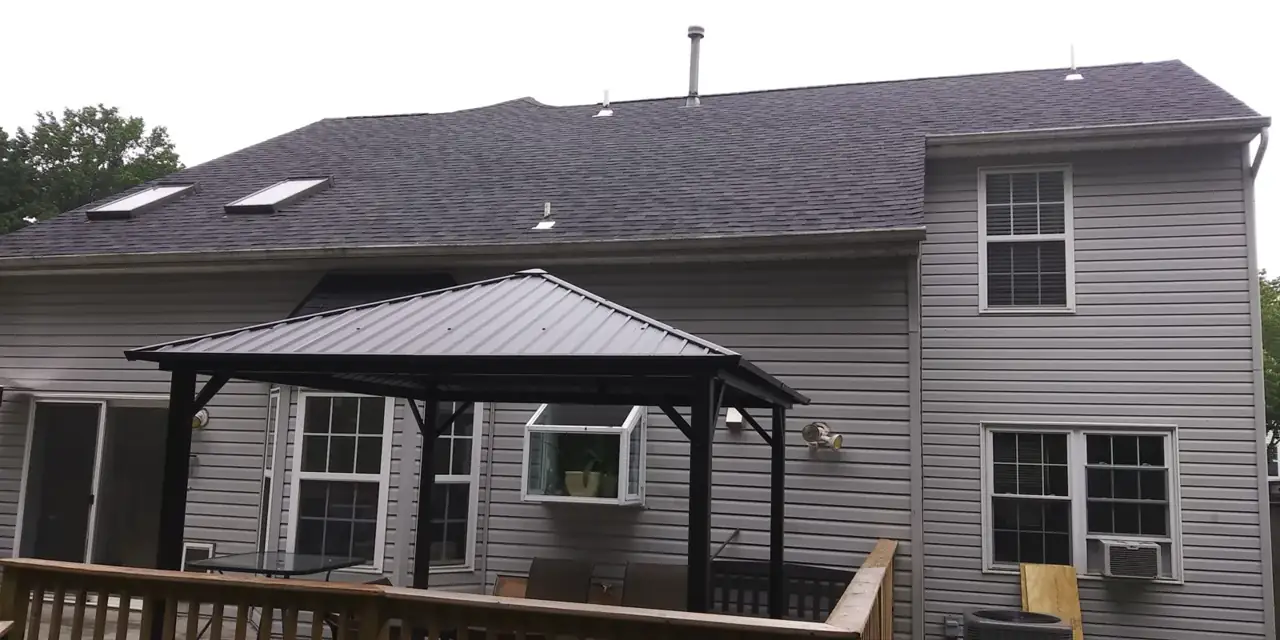
A lot of Pittston's older homes were built in stages: a two-and-a-half-story main house, then a back kitchen, a porch or a bathroom added decades later under a low-slope roof. The joint between the old house and the addition is where we find a big share of the city's leaks. The flashing there was often improvised, then covered in tar, and the two structures don't always move together.
That last point matters more in Pittston than in many places. Parts of the area sit over old anthracite workings, and some ground has settled over the years. When one part of a house shifts a little relative to another, the flashing at the joint is what cracks first. The leak shows up as a stain on the ceiling right where the addition begins.
The repair is to take that joint apart, check the decking on both sides, and rebuild it with new flashing lapped correctly: the addition's roof covering runs up the wall, and the wall flashing or siding laps down over it. If the low-slope roof itself is worn out, we re-cover it with EPDM rubber. If we see cracking or movement that looks structural, we'll photograph it and suggest you have a structural engineer look before anyone patches over it.
Shade, moss and winter leaks
Between two rivers and closely spaced houses, Pittston roofs stay damp. The slope facing a neighbor's wall often gets almost no sun, and moss and algae take hold there first. Moss grows into the gaps between shingles and lifts their edges, and wind-driven rain gets under those lifted edges. On a roof that's otherwise sound, we replace the damaged shingles and deal with the growth. Please don't pressure-wash it, because that strips the granules that protect the shingles.
Winter adds ice dams. Older Pittston homes often have finished attics with little insulation or ventilation, so heat melts snow high on the roof and it refreezes at the eaves. The meltwater that backs up behind that ice finds its way under the shingles. We repair the damaged shingles, underlayment and decking at the eave, then tell you honestly whether attic ventilation is part of the cause.
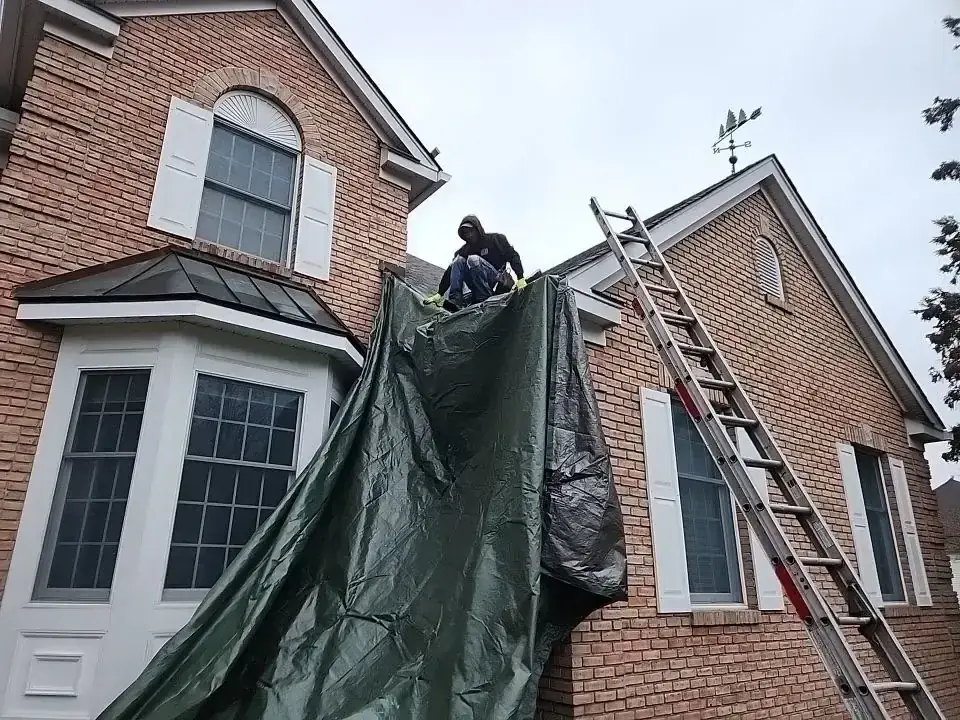
Other regular Pittston repairs include chimney flashing sealed with tar that has cracked, pipe boots split by years of sun and cold, and tabs torn off along the ridge and rakes in a windstorm. After wind or hail, we take photos of every damaged area and can meet your adjuster on site. Our storm damage repair page explains more. The claim stays between you and your insurer.
Repair it or replace it?
If your roof has good shingles and one problem spot, we'll fix the spot. A failed addition joint, one chimney or a few missing tabs don't justify a new roof. If the shingles are shedding granules on every slope, the deck is soft in more than one place, or the roof is already a patchwork, then fixing the leak you called about just moves the next one somewhere else. In that case we'll recommend a roof replacement, show you the photos, and leave the decision to you.
Permits: within the city, UCC applications go through the City of Pittston's Code Enforcement Office at City Hall. West Pittston, Pittston Township and the other nearby municipalities each run their own. Some residential repair work is exempt under the UCC, so we check what your repair needs and pull a permit when required.
See our roof repair page for more on how we track down leaks. If the roof is near the end of its life, the Instant Roof Quote gives you a replacement number to compare against.
More detail on how we handle this work anywhere we serve: Roof Repair. Everything we do in Pittston: roofing in Pittston, PA.