
Wind damage starts at the edges
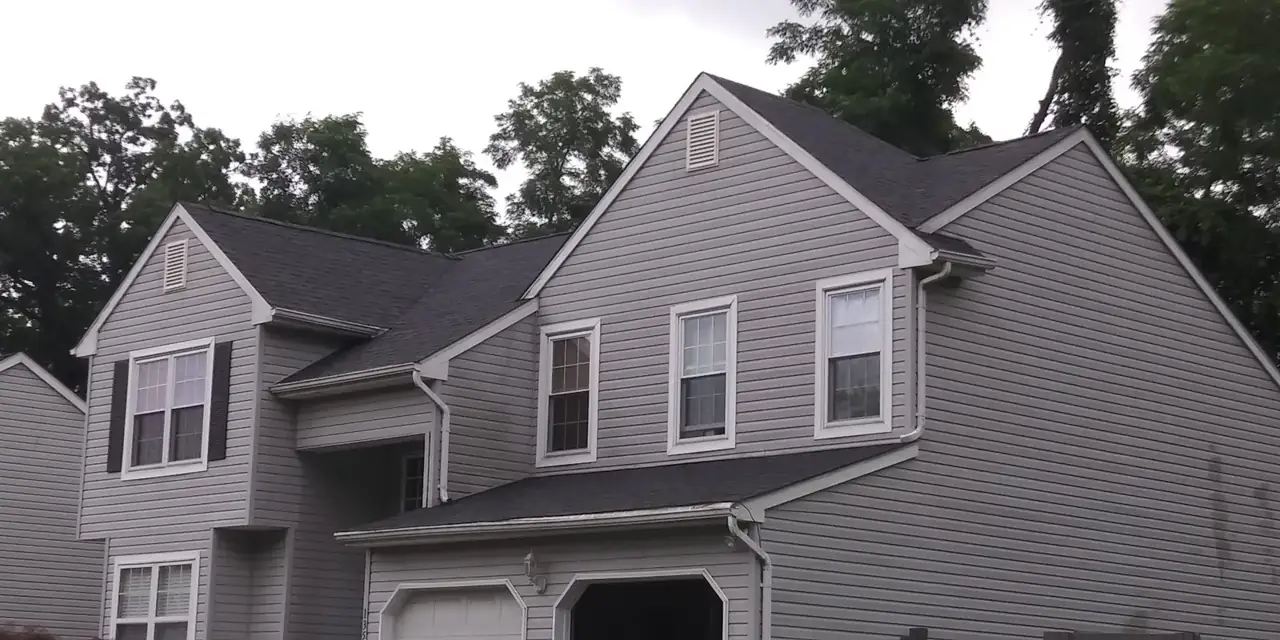
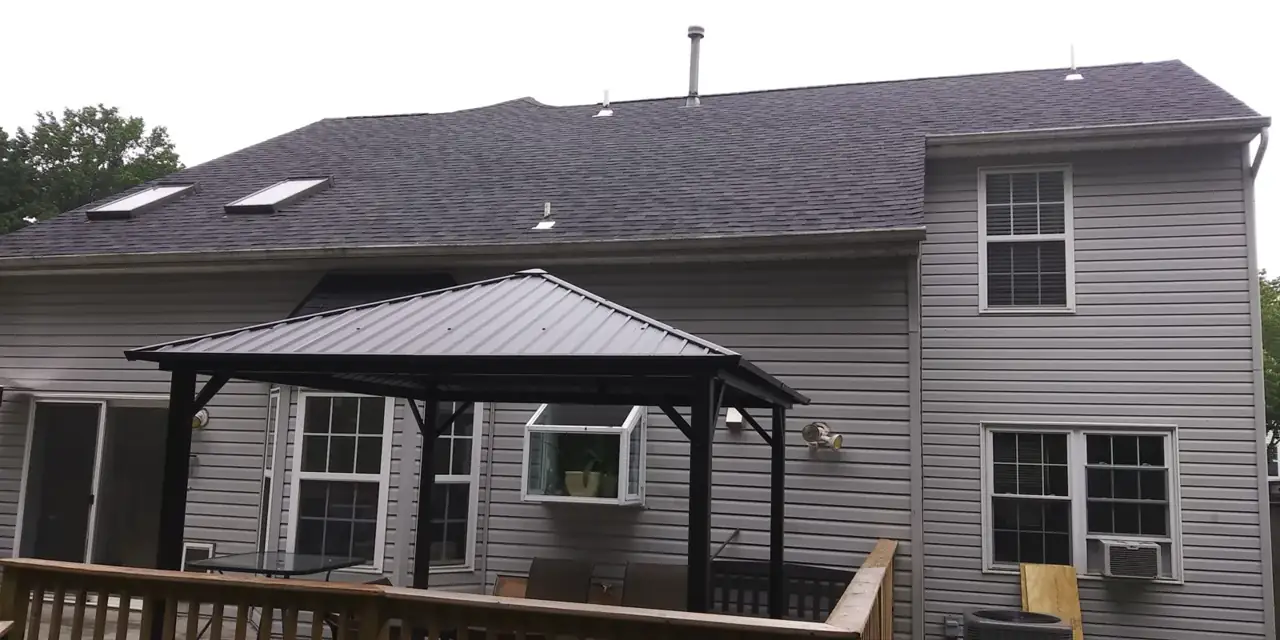
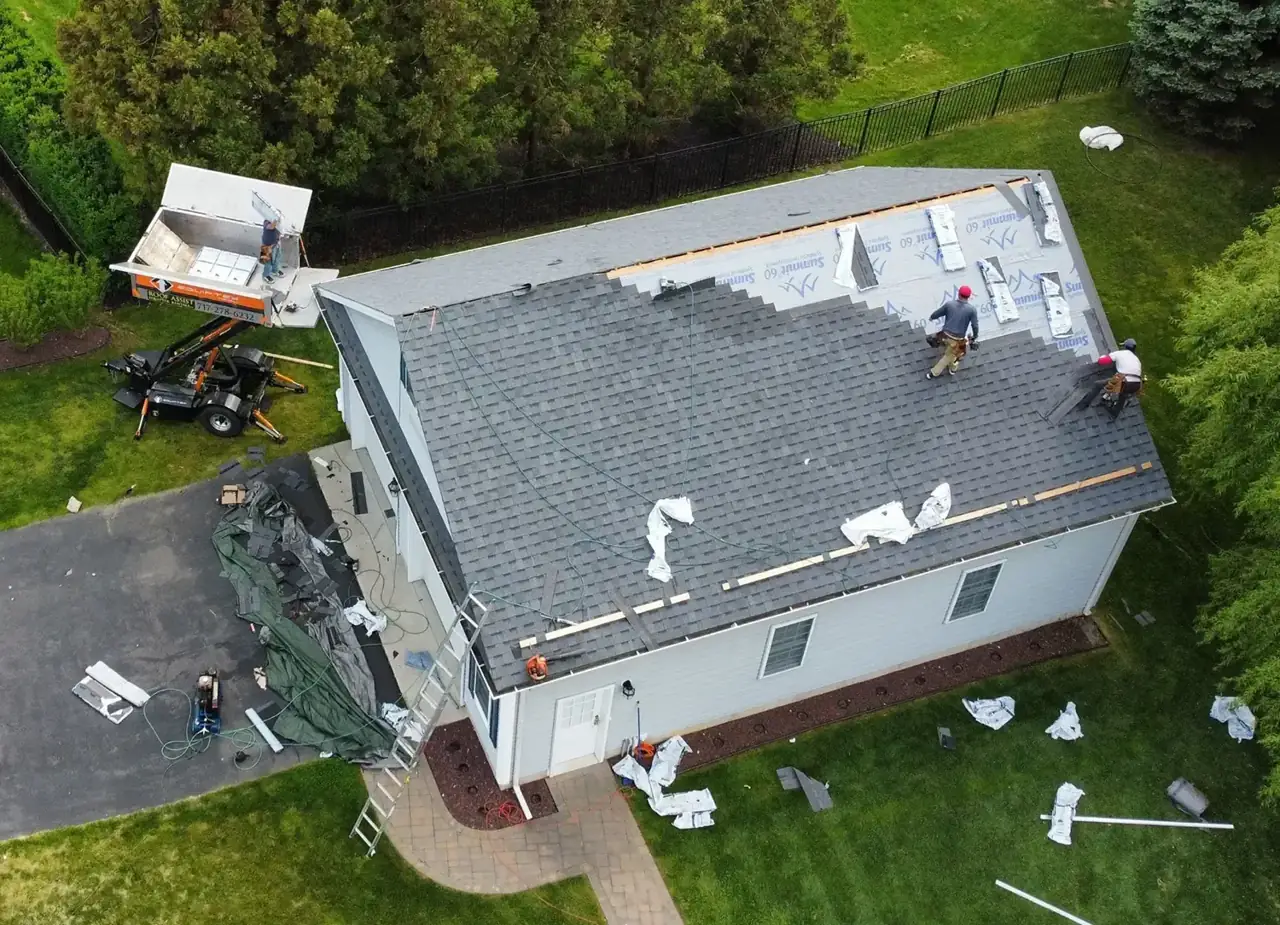
On Dunmore's hillside, the typical repair call comes after a windy night. Homes up toward the Moosic Mountains catch gusts that the valley streets never feel, and wind works on a roof from the outside in. It lifts shingles along the rakes and eaves, breaks the sealant strip that holds each tab down, and then peels tabs off one row at a time. Sometimes shingles end up in the yard. Just as often, nothing falls. The tabs are unsealed and flapping, and the next storm finishes the job.
That's why we tell hillside homeowners to have the edges checked after a big wind even if the roof looks fine from the ground. Repairing wind damage properly means:
- Replacing torn or creased shingles, not just gluing them back down.
- Re-sealing lifted tabs that are still in good shape.
- Checking the starter course and drip edge, since a loose edge lets the next gust back in.
- Matching the new shingles as closely as we can to what's on the roof, and telling you honestly how close that match will be.
After wind or hail, we photograph every damaged area and can meet your adjuster on site. The details are on our storm damage repair page. We don't file, handle or negotiate claims.
Leaks on older Dunmore houses
Much of Dunmore's housing went up during its coal, brick and silk boom, and those two-and-a-half-story homes have some familiar weak spots:
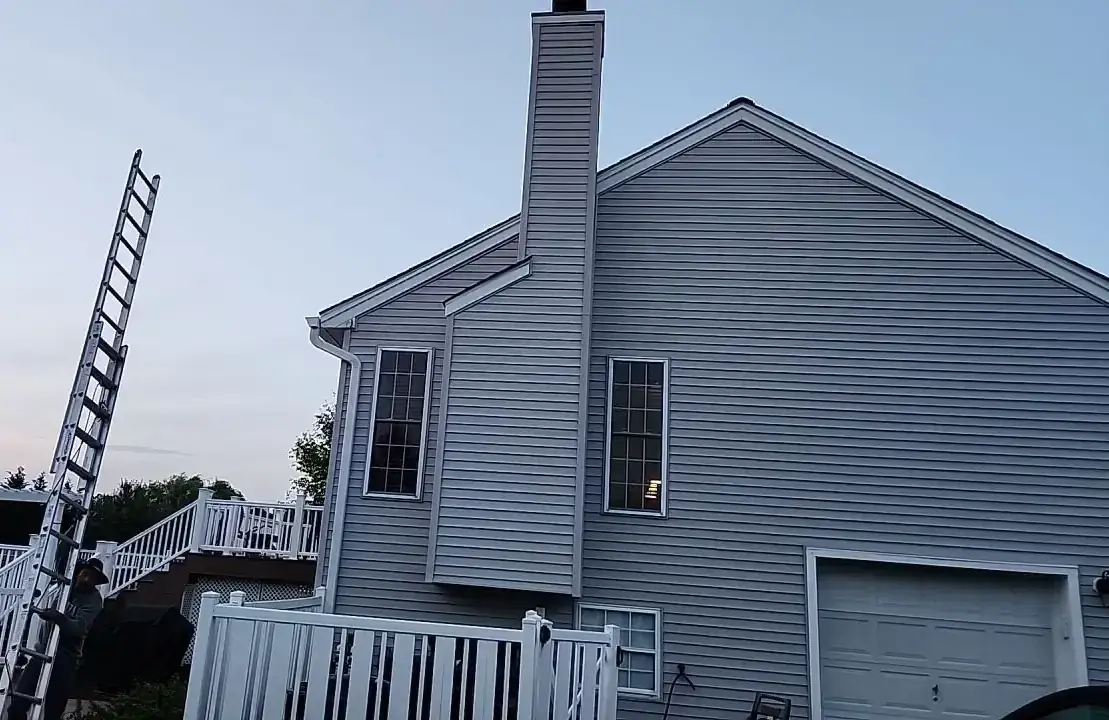
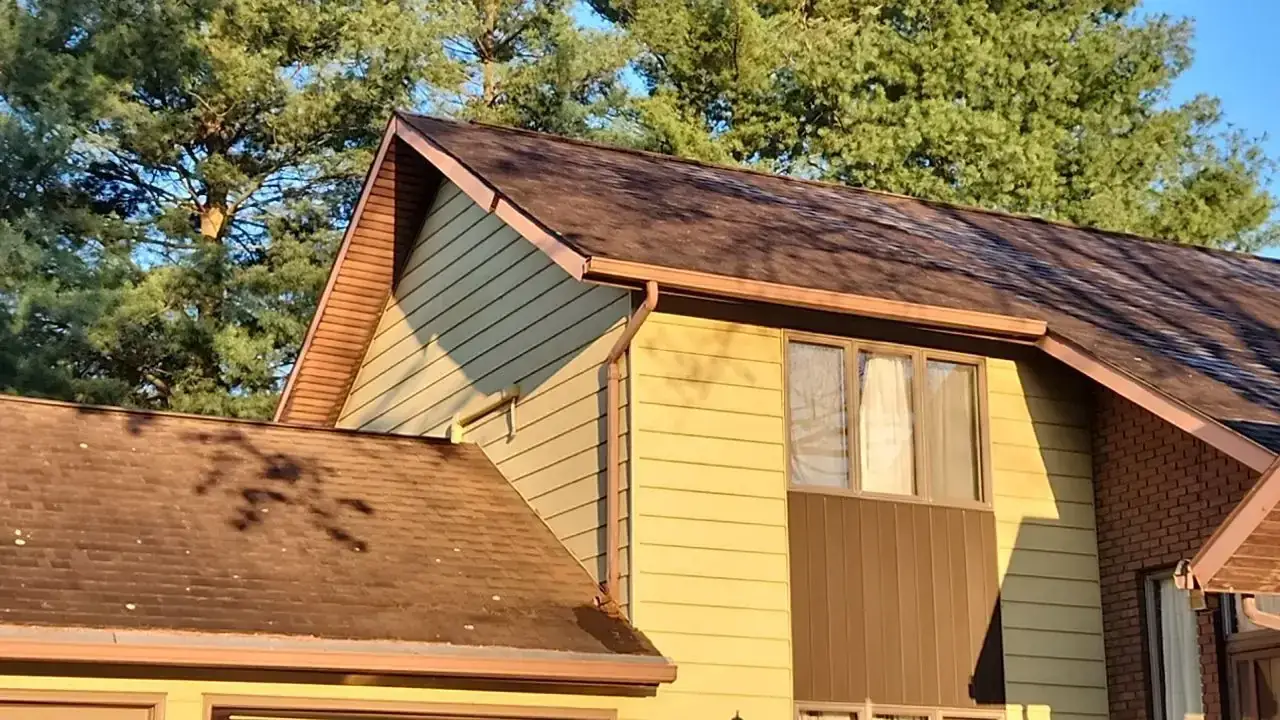
- Dormers, where the step flashing along each side wall has rusted or was never woven into the shingles.
- Brick chimneys that have outlasted several roofs, often re-flashed with tar that cracked after a couple of winters.
- Porches, back kitchens and garage additions with low-slope roofs that hold water and leak at the house wall. When patching stops working, we re-cover them in EPDM rubber.
- Double-block seams, where two halves of one roof meet at the party line, often with shingles of different ages.
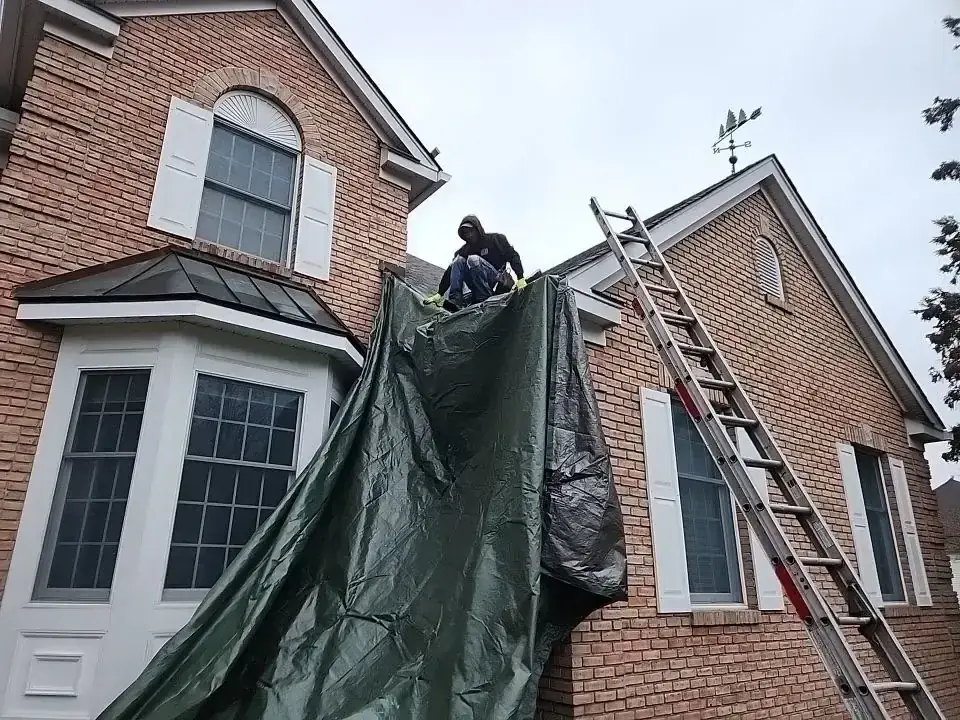
Winter adds ice dams. Snow sits longest on the hillside homes, and heat from a finished upper floor melts it from below. The meltwater refreezes at the eave and backs up under the shingles. We repair the damaged eave and tell you if the attic's venting is feeding the problem. Better ventilation is often what keeps the leak from returning next winter.
On the shaded valley streets, moss and algae are more common. Moss lifts shingle edges and holds water, so we replace what it has damaged. Please skip the pressure washer.
A fair call on repair versus replacement
One chimney, one dormer wall or a strip of wind-damaged edge on an otherwise healthy roof is a repair, and that's what we'll quote. If the shingles are curling or bare on every slope, the deck gives underfoot in several spots, or the roof has already been patched over and over, another repair won't hold for long. We'll tell you a roof replacement is the better investment and show you the photos so you can judge for yourself.
On permits, Dunmore's Code and Zoning Department is the borough office in charge, and residents are pointed to Northeast Inspection Consultants (NEIC) for most permit forms. Because the UCC exempts some residential repair work, we check what your repair needs and handle any permit it requires.
See our roof repair page for more. If your roof is getting old, the Instant Roof Quote gives you a replacement number to weigh against the repair.
More detail on how we handle this work anywhere we serve: Roof Repair. Everything we do in Dunmore: roofing in Dunmore, PA.