
Small failures on roofs that aren't done yet
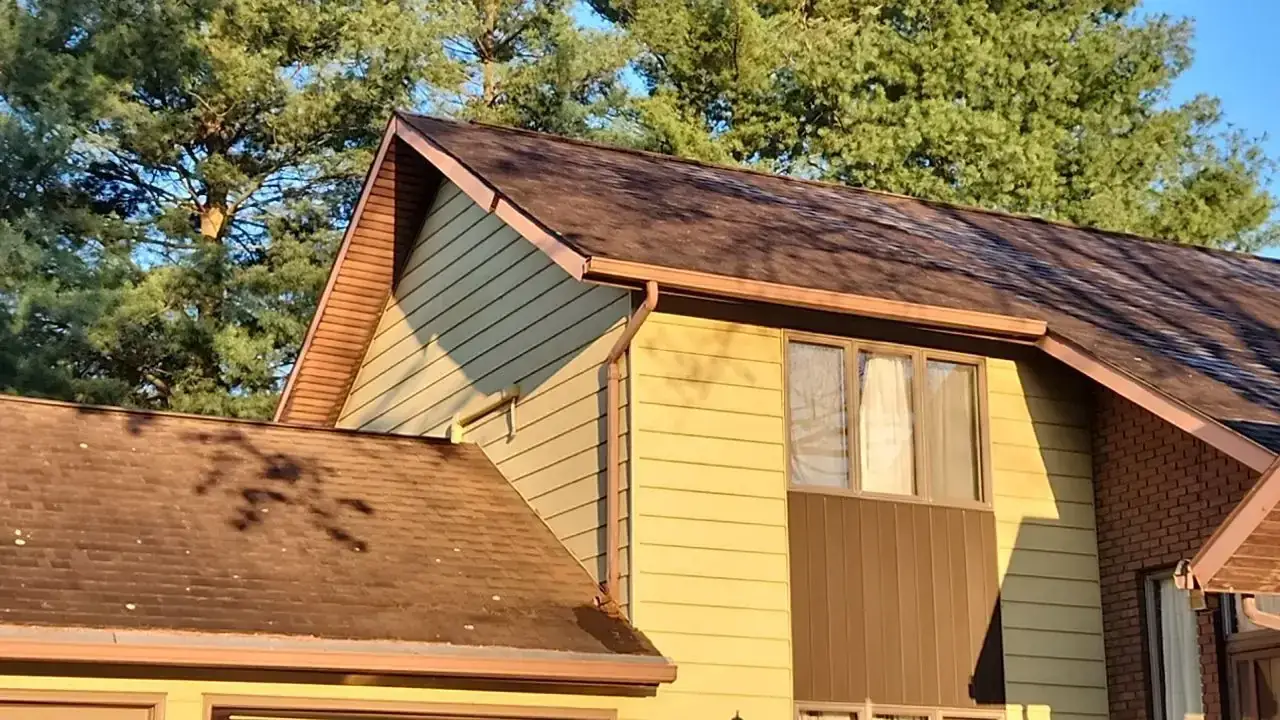
Because so much of Robbinsville was built in the 1990s and 2000s, a lot of the leaks we trace here come from roofs that still have life in them. The shingles are aging, but they aren't finished. The leak is coming from one part that wore out early:
- Pipe boots. The rubber collar around each plumbing vent sits in full sun and usually cracks well before the shingles around it. Water runs down the pipe and shows up as a stain near a bathroom or kitchen ceiling.
- A single blown-off shingle. After a windy night, one missing shingle can leave the underlayment exposed. Left alone, it lets water into the deck.
- Valley wear where two roof planes send water through the same channel.
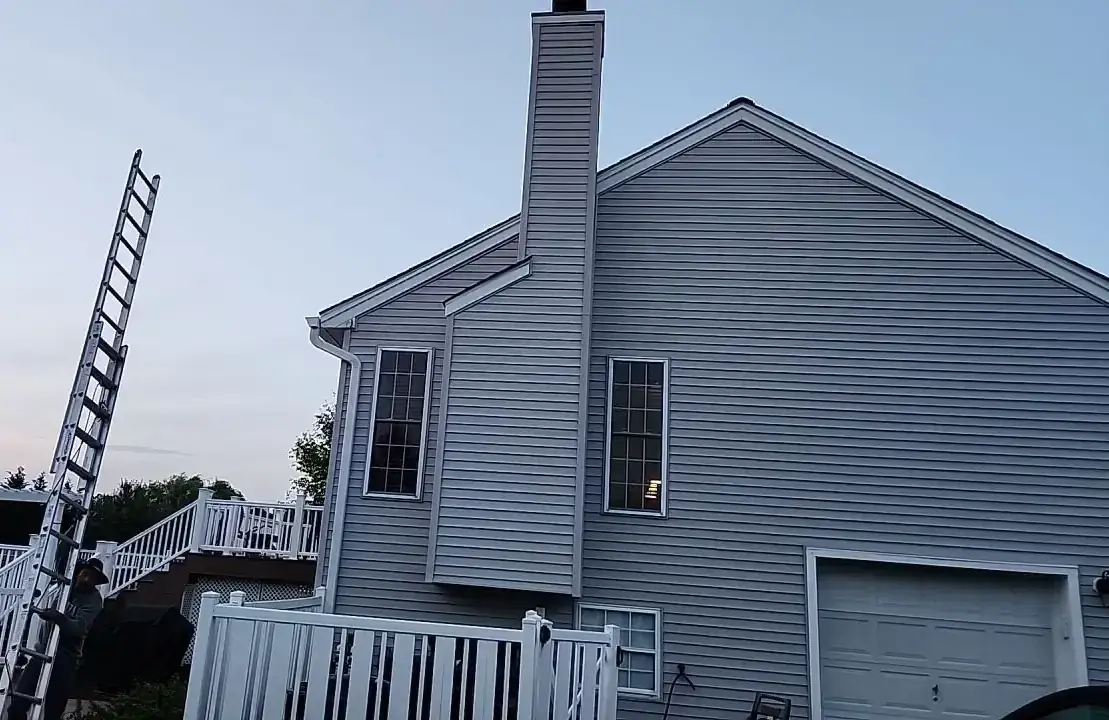
- Wall flashing without a kick-out, which sends water behind the siding instead of into the gutter.
Each of these is a targeted repair. Fixing it properly, with a new boot, matched shingles or new step flashing and a kick-out, can keep a sound roof going for years. We'll show you photos of the problem and the fix, and tell you what else we noticed while we were up there.
Exposed slopes and hot attics
Parts of Robbinsville are still open farmland, and the trees in newer neighborhoods are young. So wind reaches roofs with nothing in the way. As shingles age, their seal strips weaken, and tabs on the windward slopes start lifting in strong gusts. Nor'easters and summer thunderstorms bring most of those calls. When we repair wind damage, we replace the missing shingles, hand-seal the loose ones around them and check the rest of the slope.
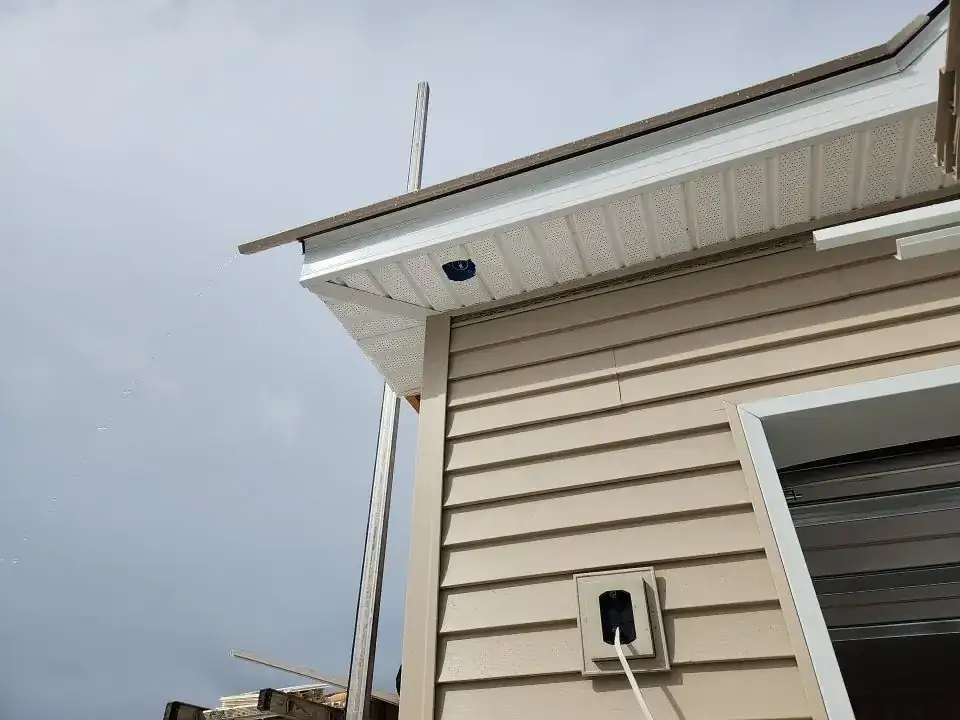
The other common culprit is under the roof. Many builders installed a few box vents with too little soffit intake. The attic overheats in summer, which bakes the shingles from below and makes upstairs rooms hard to cool. In winter, warm, moist air condenses on the deck, and heat escaping through the roof melts snow that refreezes at the eaves as an ice dam. If a stain shows up along an exterior wall after a snowfall, that's the likely story. We repair the eave damage and recommend a ventilation fix so it doesn't come back.
After a big storm, our storm damage repair work includes photos of everything we find, and we can meet your adjuster on site.
Older homes, attached homes and knowing when to replace
Farmhouses and older homes around Windsor and along the rural roads leak for different reasons. Old chimneys, board decking and porch roofs that are too flat for shingles are the usual trouble spots. On a failing low-slope porch roof, the lasting repair is often EPDM rather than another patch.
On townhouses, check with your association before any exterior work, since some handle roofs for the whole building. We tie repairs carefully into the neighboring units at the party walls.
A repair on a detached house generally needs no permit, since New Jersey has treated re-roofing detached one- and two-family homes as ordinary maintenance since March 2018. Attached homes and commercial buildings are different. If a job grows into a full re-roof there, we pull the permit through the township's Construction Department.
At some point, repairs stop making sense. If the shingles are curling and bald on every slope, or you're calling us about a new leak every season, we'll tell you it's time to think about roof replacement. Learn more about our roof repair service, or see a starting number for a new roof with the Instant Roof Quote.
More detail on how we handle this work anywhere we serve: Roof Repair. Everything we do in Robbinsville: roofing in Robbinsville, NJ.