
Sun, wind and a builder's roof
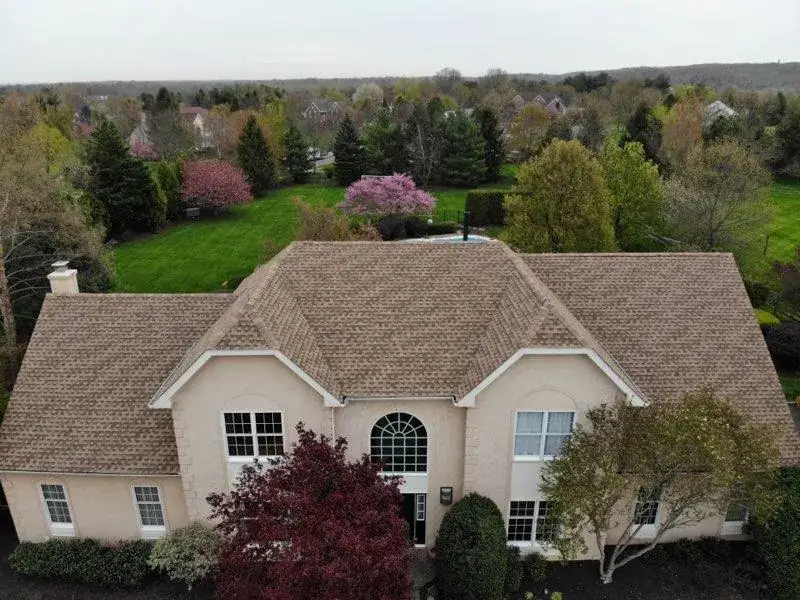
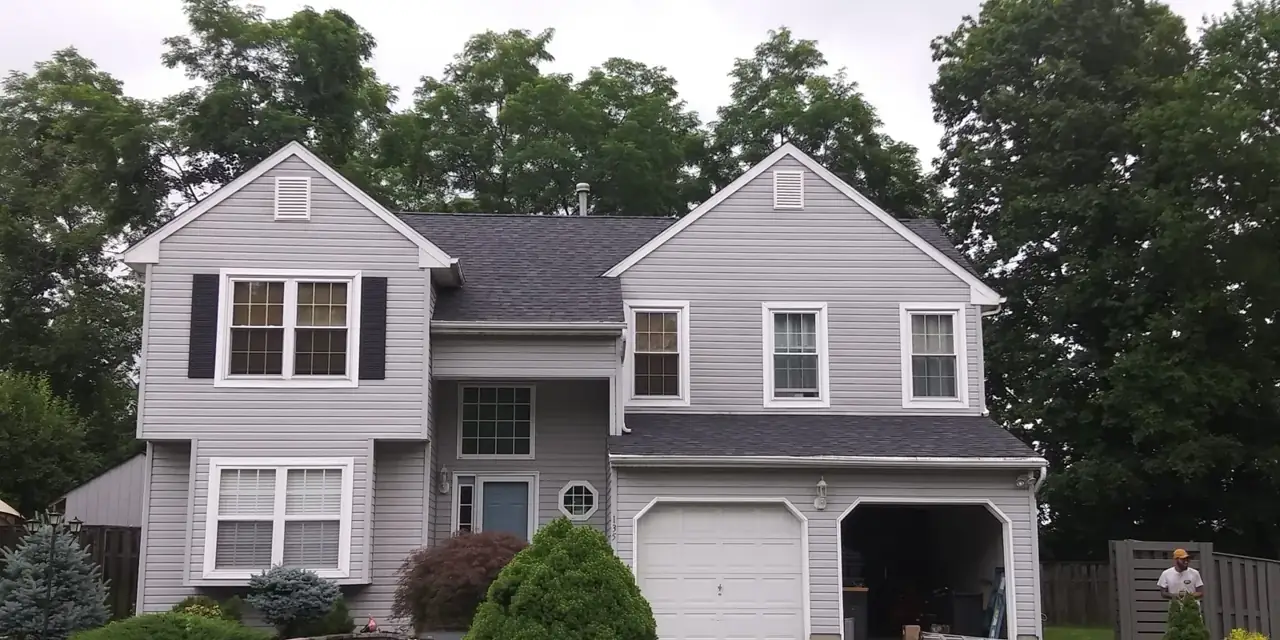
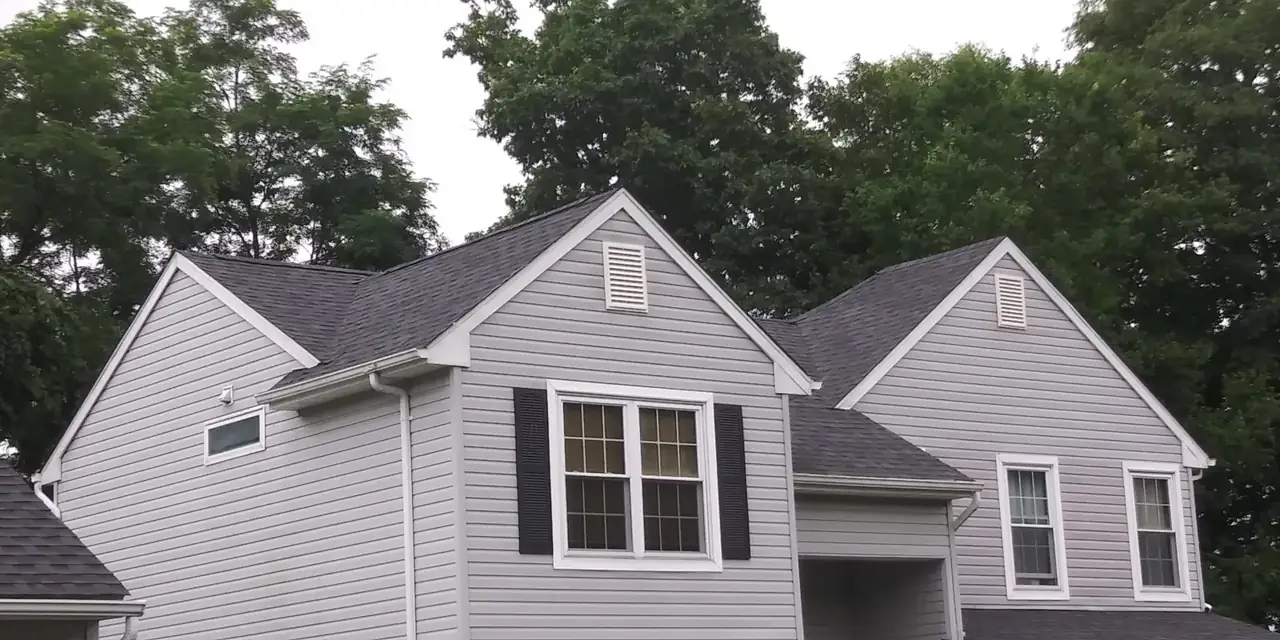
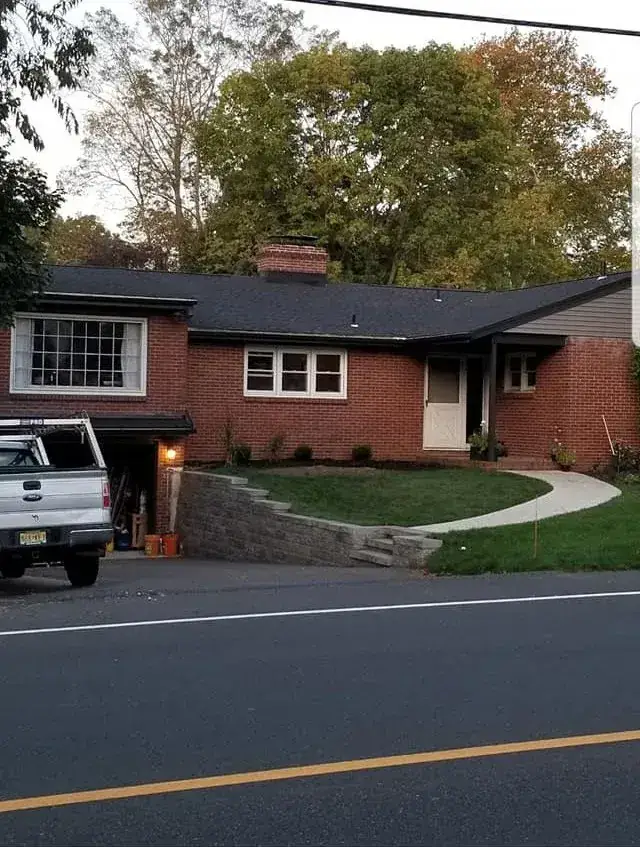
So much of Robbinsville was built in the 1990s and 2000s that plenty of its houses still wear the roof the builder put on. Those roofs have spent twenty-plus years in conditions that are hard on shingles. Much of the township is open, with farmland nearby and young trees in the newer neighborhoods. That keeps gutters cleaner, but it means roofs take full sun all summer and full wind all winter.
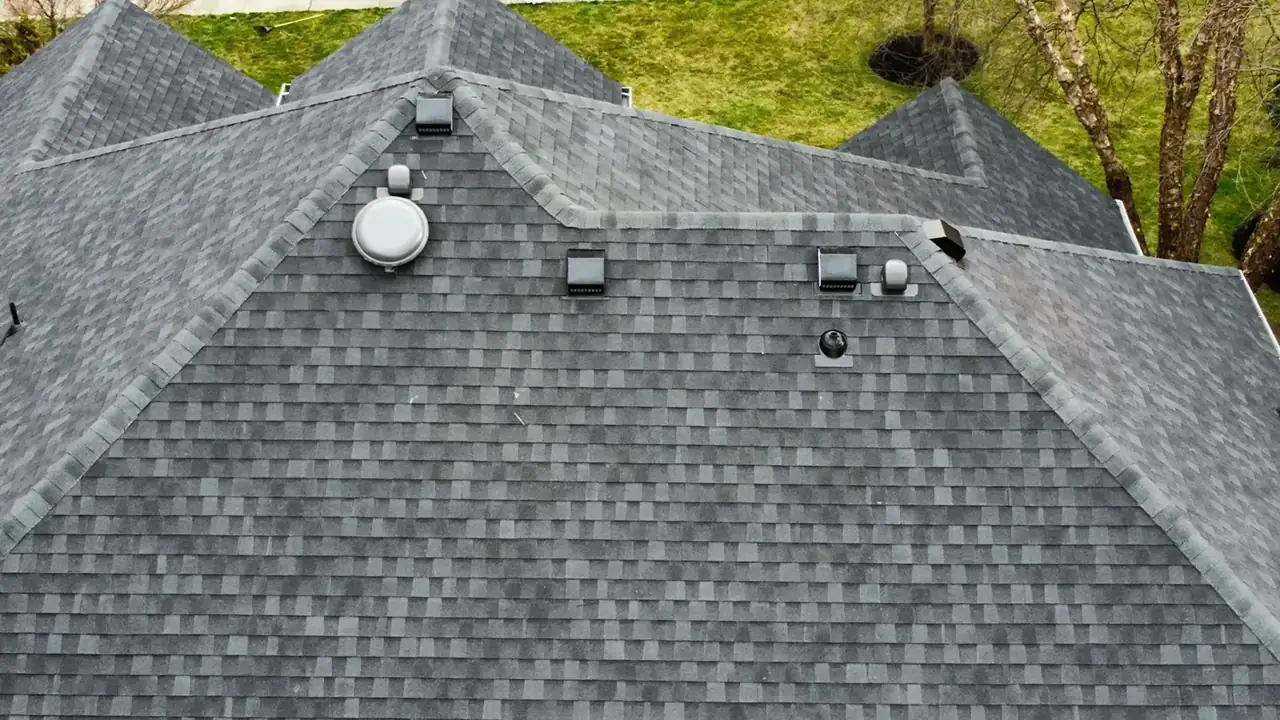
Sun is what ages asphalt shingles. Heat dries out the asphalt, the granules loosen and the shingles curl and crack, most visibly on south- and west-facing slopes. Wind finds shingles whose seal strips have let go and peels them up. Add builder attics with a few box vents and too little soffit intake, and the shingles cook from both sides.
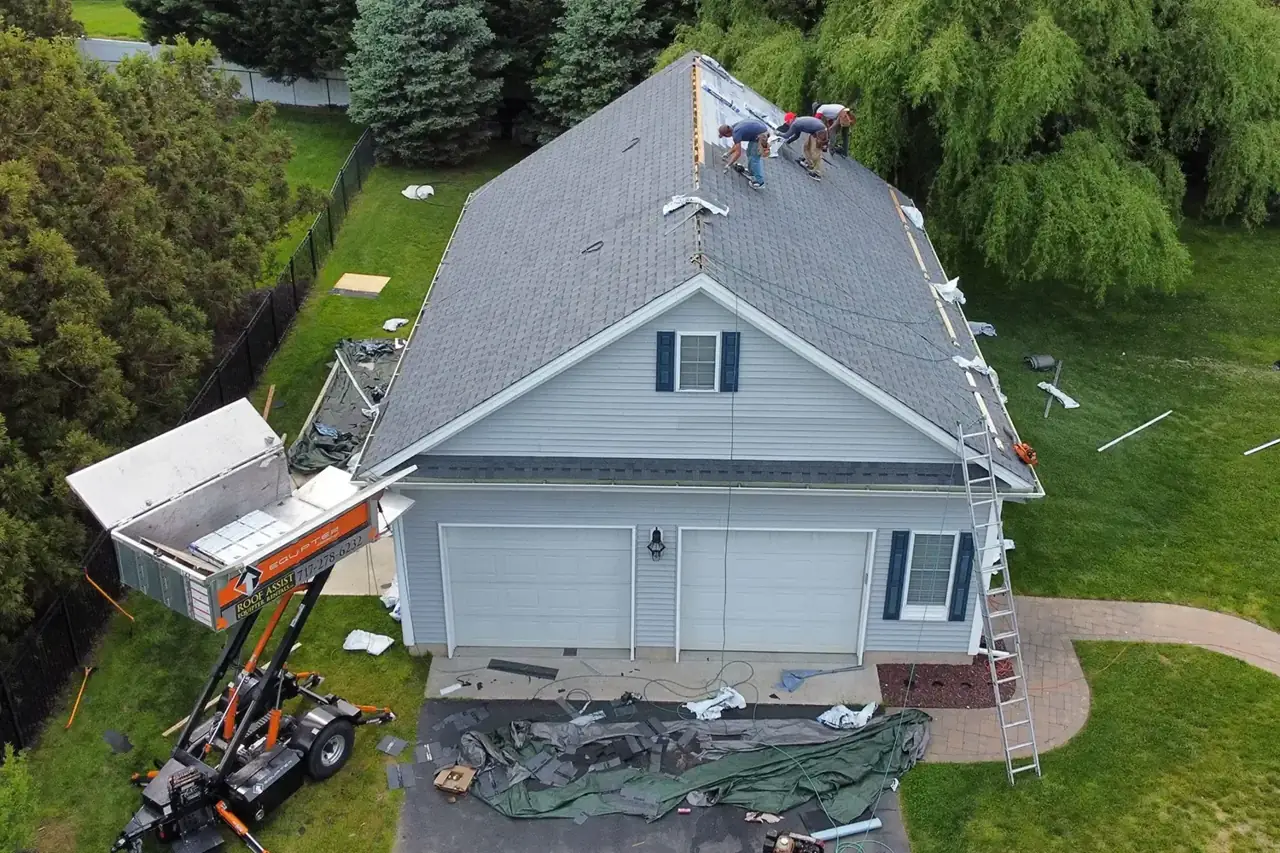
A replacement here addresses all of that at once:
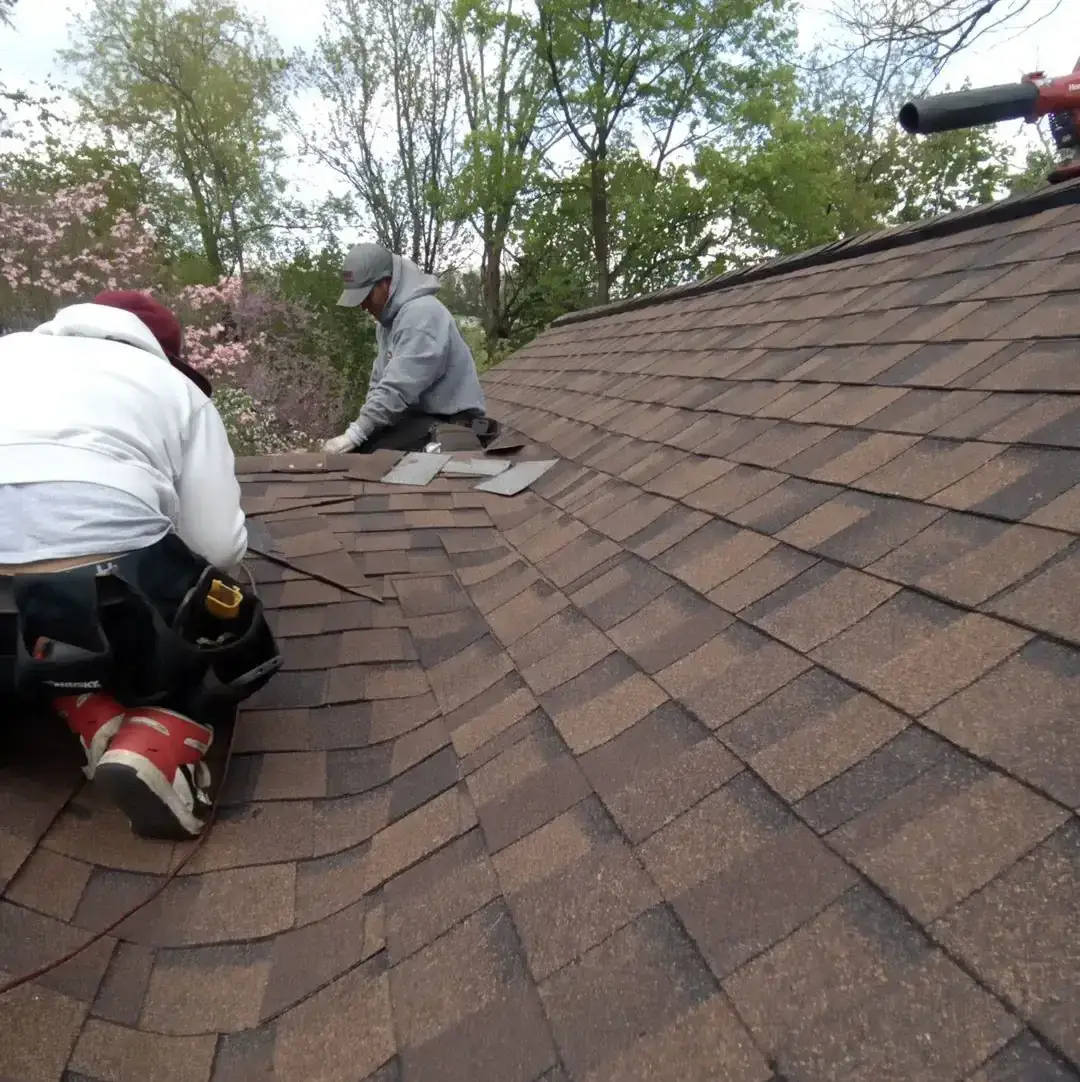
- Architectural shingles installed with the manufacturer's nailing pattern and a sealed starter course, so the edges hold in wind.
- Balanced ventilation: continuous soffit intake and ridge exhaust in place of scattered box vents.
- New pipe boots, step flashing and kick-out flashing at every wall.
- Ice and water barrier at the eaves and valleys for winter ice dams.
When whole streets were built in the same few years, the roofs tend to fail in the same few years too. If your neighbors are replacing, it's a good time to have yours looked at, even if you haven't seen a leak yet. Plenty of worn-out roofs stay dry right up until the first big storm.
Old farmhouses, Windsor homes and Town Center rows
Not every Robbinsville roof is a 1990s colonial. The township's older places, the historic village of Windsor, farmhouses along the rural roads and houses in crossroads communities like Allens Station and New Sharon, are a different job. They often have board sheathing, two or three layers of old roofing and low porch and shed roofs that shingles can't handle. We tear off every layer, replace bad boards and put EPDM on the low-slope sections.
Attached homes are a third category. Robbinsville Town Center is the best-known cluster of attached homes in the township, but it isn't the only one. A replacement on an attached unit starts with the association: some handle entire buildings, and most control color and material. Then the work comes down to careful tie-ins at the party walls and step flashing where roof heights change. We give your association the product specs and wait for approval before ordering.
Permits, paperwork and the gutter question
Since March 2018, New Jersey has treated re-roofing a detached one- or two-family home as ordinary maintenance, so most single-family replacements in Robbinsville need no permit. Townhouses, condos and commercial buildings generally do. If yours needs one, we handle the application, pull the permit through the township's Construction Department and coordinate the inspection.
A note on paperwork: the township was called Washington Township until 2008, so your deed or original builder documents may use the old name. It doesn't change anything for your roof. When we finish, you get new warranty paperwork: a lifetime manufacturer's warranty and a 10-year workmanship warranty. Keep it with your house records, since it's useful if you ever sell.
Tear-off is also the easiest time to fix builder gutters that are undersized, poorly pitched or dumping water against the foundation. We can re-hang or replace gutters alongside the new drip edge.
If your roof is in decent shape with one problem spot, a roof repair may buy you years. Learn more about our roof replacement service, or get a starting number from the Instant Roof Quote.
More detail on how we handle this work anywhere we serve: Roof Replacement. Everything we do in Robbinsville: roofing in Robbinsville, NJ.