
Flashing, not shingles, causes most Lawrence leaks
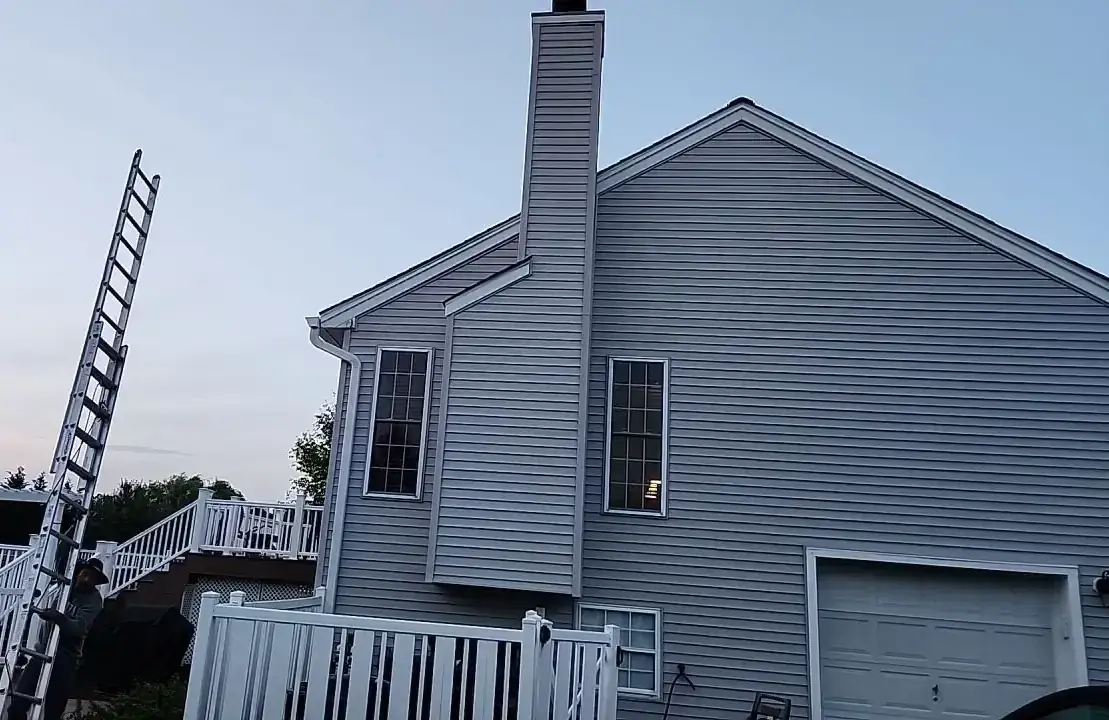
When we trace a leak in Lawrence, it usually ends at a piece of metal, not a missing shingle. Older homes around Lawrenceville village have chimneys, dormers and walls where the roof meets the house, and each of those joints depends on flashing. Over decades, step flashing rusts or slips, and counter-flashing on brick chimneys pulls out as the mortar weakens. Then someone covers it with roofing tar, which cracks after a winter or two.
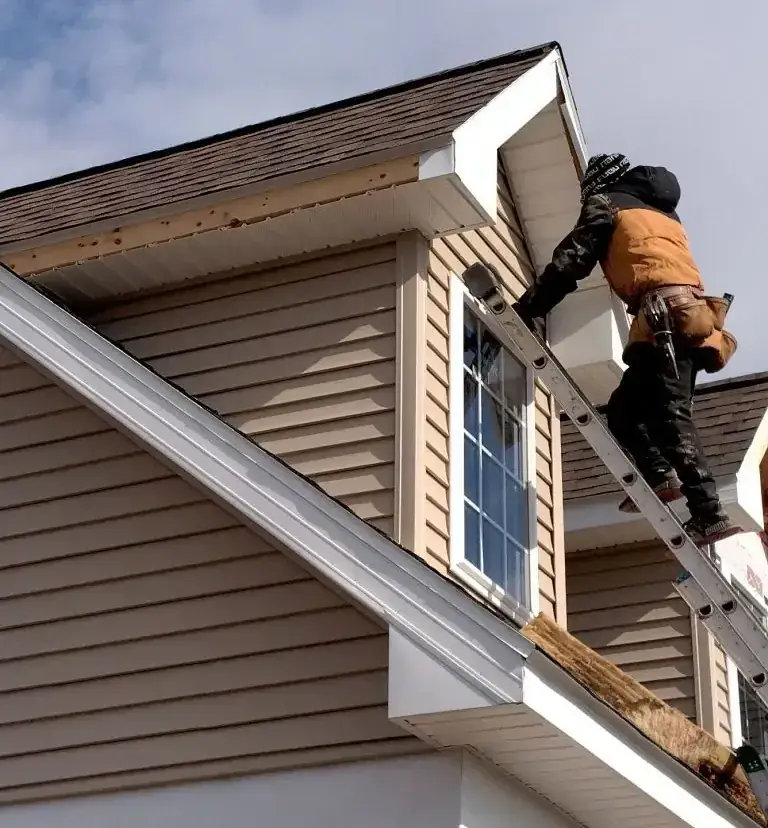
A proper repair means pulling back the shingles along the wall or chimney, removing the old metal and tar and installing new step flashing woven into the courses. On masonry, we set new counter-flashing into the mortar joints. On a wider chimney without one, we may recommend a small cricket to split the water around the back. If the brick or mortar is failing, we'll show you so it can be repointed, because new flashing on crumbling masonry won't last.
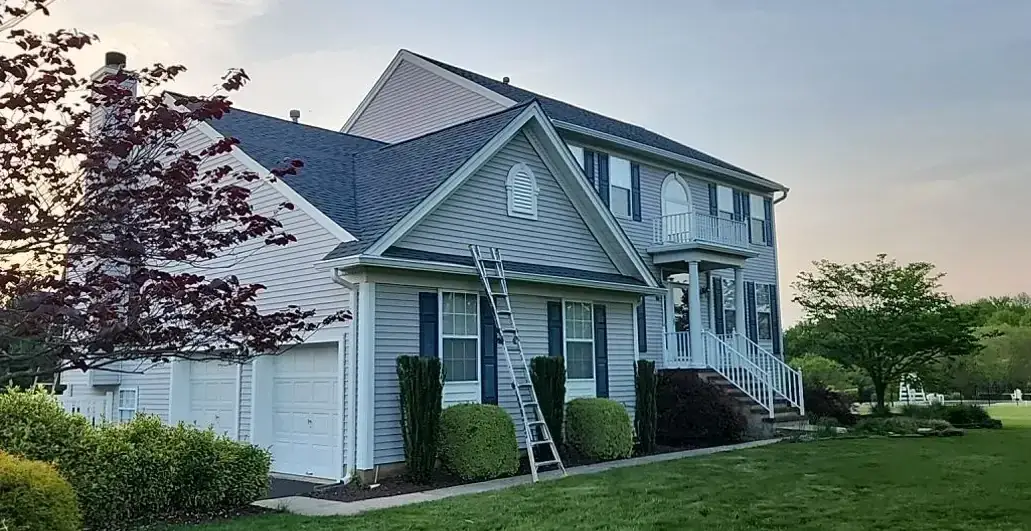
Other common repairs we make around the township include cracked pipe boots, wind-lifted tabs on slopes facing open fields and valleys packed with leaves under the township's mature trees.
Townhouse leaks that cross the property line
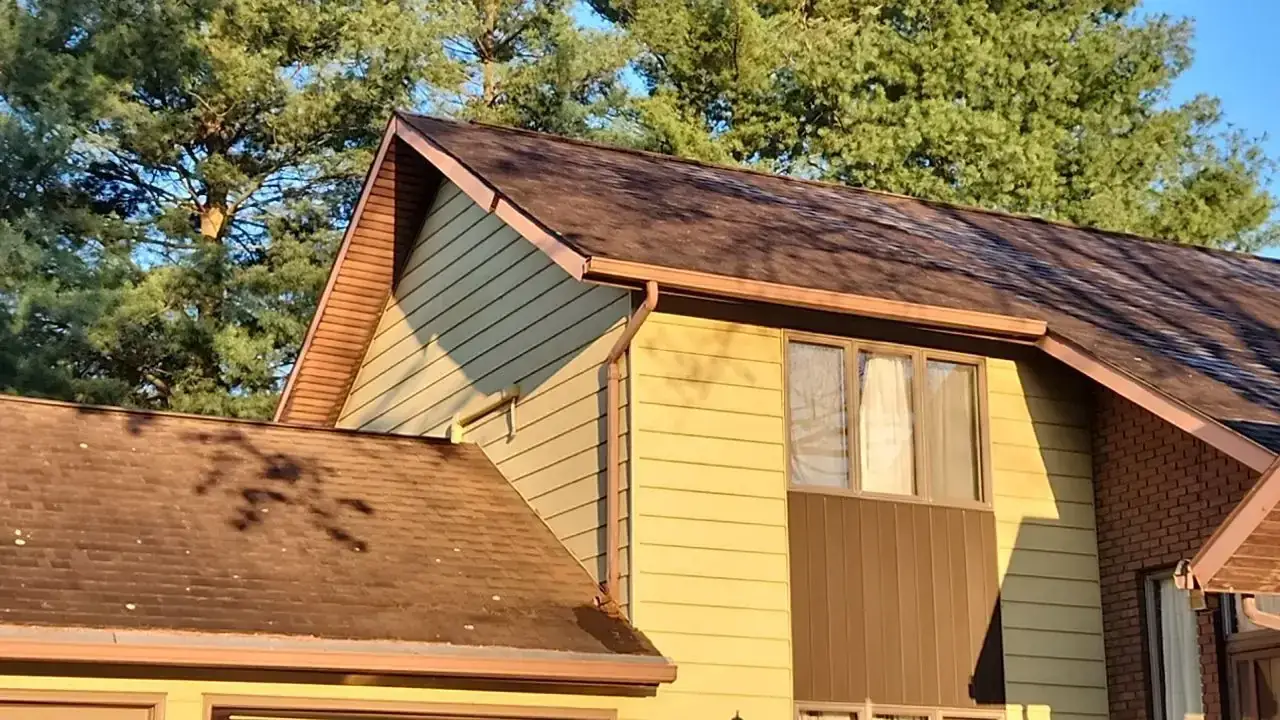
Attached homes in Lawrence have a leak pattern single-family houses don't. Where a one-story section of roof runs into the side wall of a taller unit, the step flashing along that wall carries water away. When it fails, water can run into the wall of the unit next door, not just yours. That's why a townhouse leak sometimes shows up in the neighbor's living room.
The seam where your roof meets the next unit's is another weak spot, especially where one owner re-roofed and the other didn't, and the two were never properly tied together.
On these repairs, we find the source, photograph it and tell you whose side it's on. Then we repair your section and tie it into the neighboring roof without stripping their shingles. Check your association documents before any exterior work. Many HOAs set the approved shingle and some handle repairs themselves.
In winter, both townhouses and single-family homes see ice dams: meltwater refreezing at the eaves and backing up under the shingles. After a thaw, we replace the damaged eave shingles with ice and water barrier underneath, and look at attic ventilation so it doesn't happen again.
Ordinary repairs, storms and honest advice
Lawrence Township's permit guidance makes an exception for ordinary repairs, and most roof repairs fall squarely into that category. Replacing flashing, a pipe boot or a few damaged shingles is routine maintenance. If a repair turns into a full re-roof of a townhouse or condo, a permit is generally required, and we pull it through the Construction Code Enforcement Division.
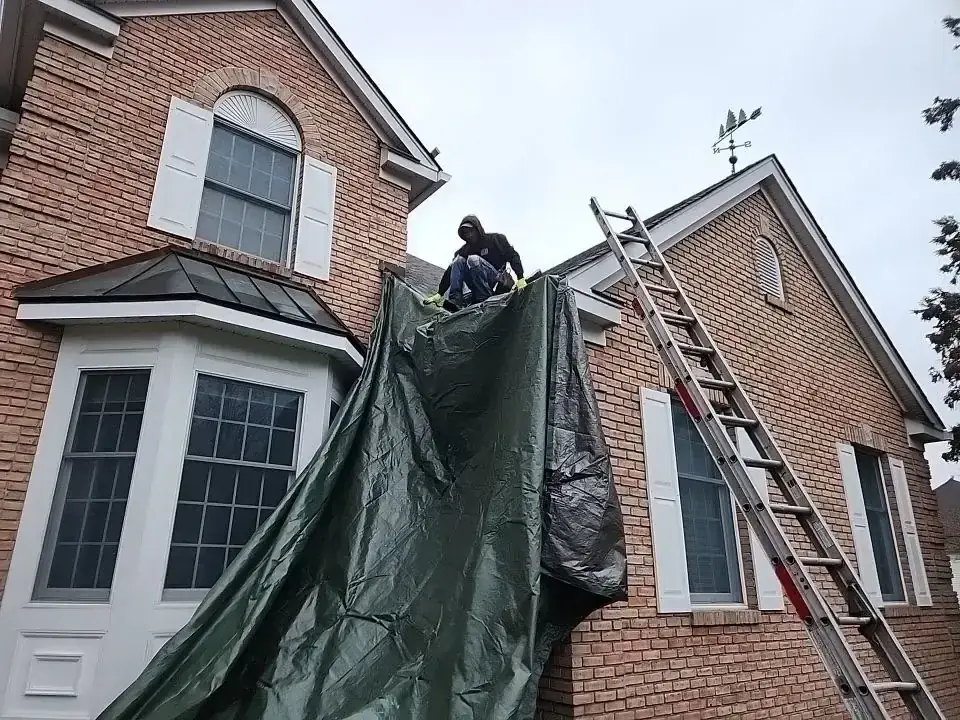
Storms are a regular source of calls. Nor'easters drive rain under loose shingles, and summer thunderstorms bring limbs down near Rider University, along the Route 1 corridor and in the older neighborhoods. After a storm, we inspect and photograph the damage and can meet your adjuster on site. See our storm damage repair page for more.
We'll always give you a straight answer on repair versus replacement. A sound roof with one failed detail gets a repair. A roof that's worn out across every slope, or keeps leaking in new places, is a candidate for roof replacement, and we'll show you the photos that support that call. Read more about our roof repair service, or check a starting number for a new roof with the Instant Roof Quote.
More detail on how we handle this work anywhere we serve: Roof Repair. Everything we do in Lawrence Township: roofing in Lawrence Township, NJ.