
The low-pitch ranch: Ewing's trickiest re-roof
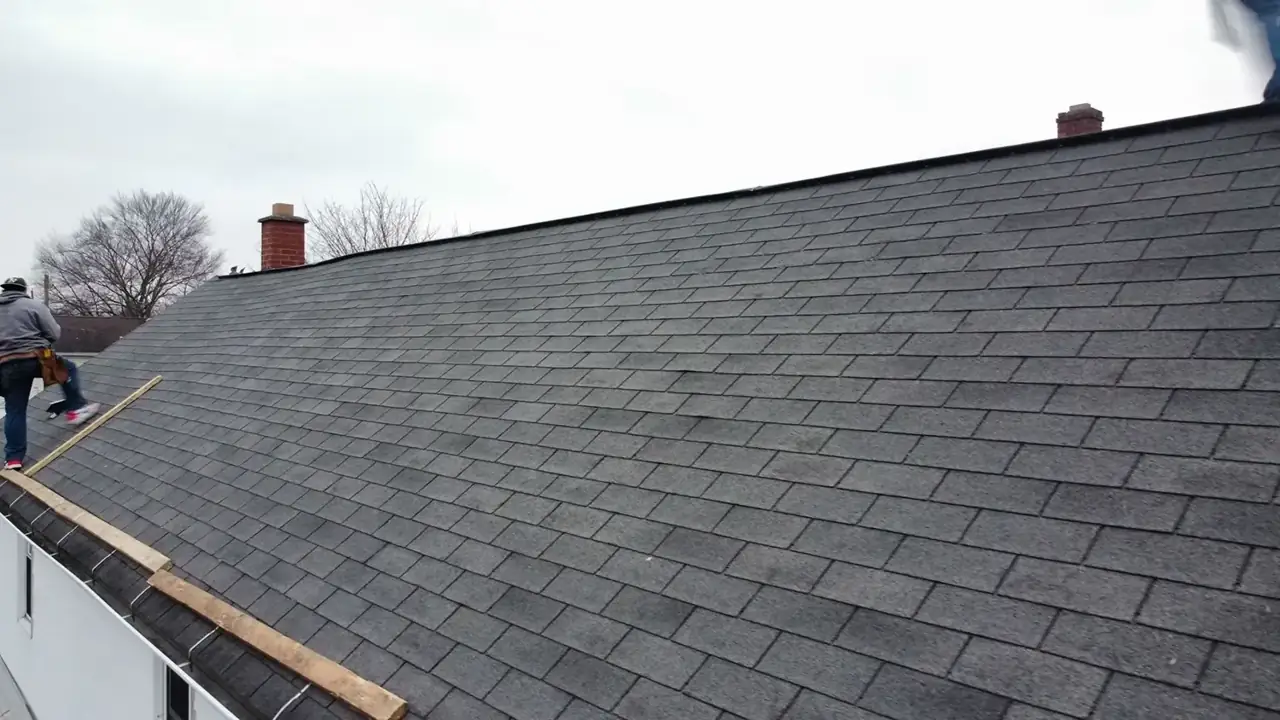
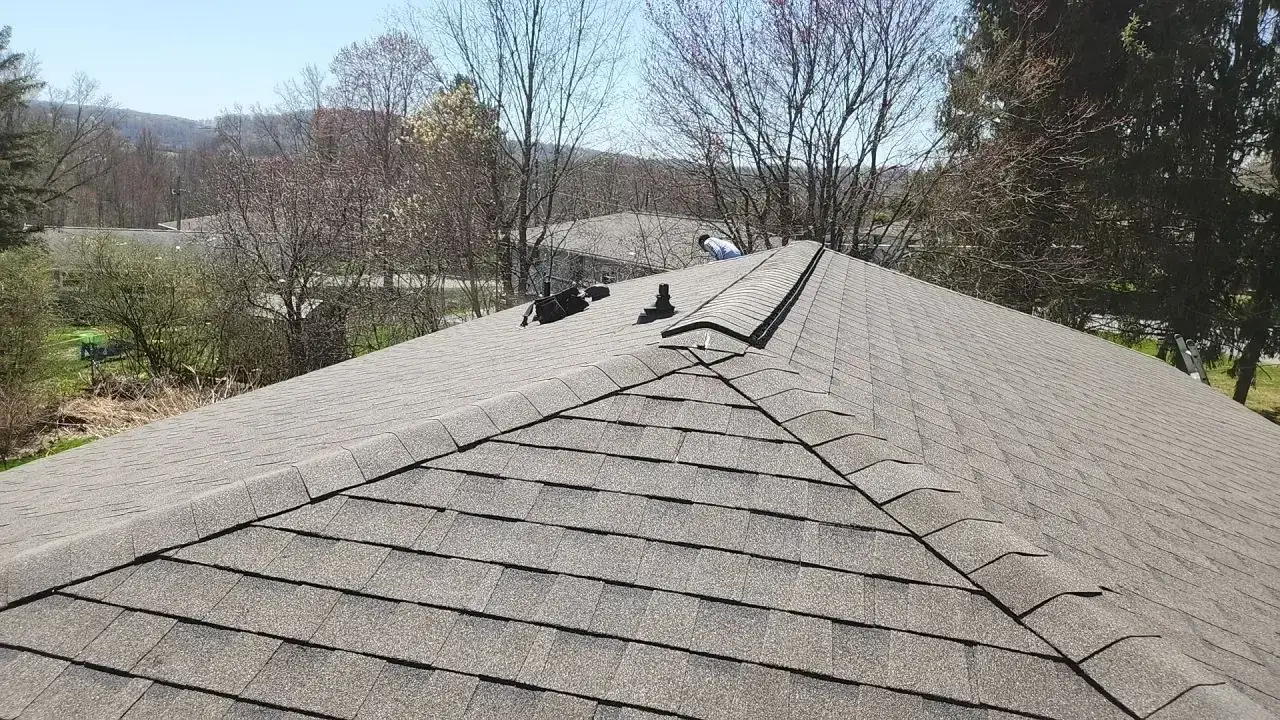
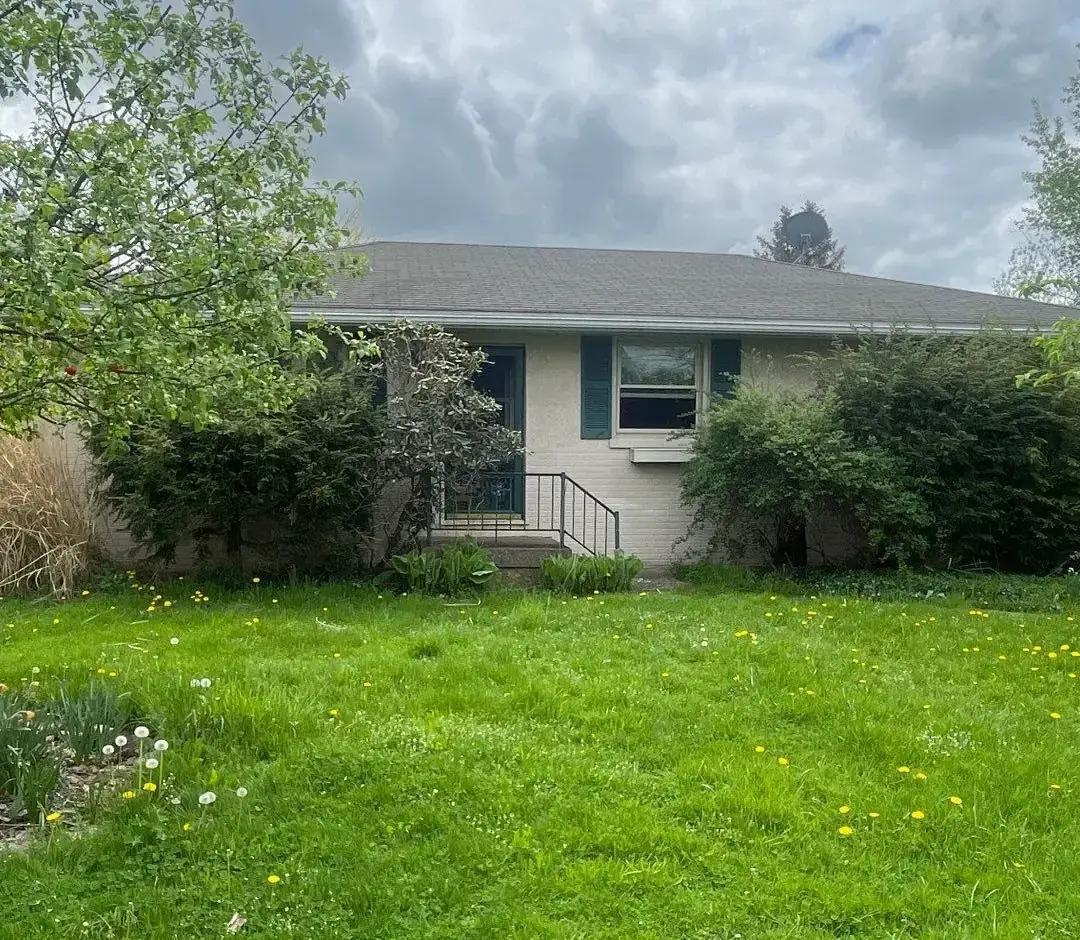
Ewing filled in quickly after World War II, and ranch homes with long, shallow roofs are a big part of that housing. A low-pitch roof isn't a bad roof, but it's a less forgiving one. Water drains more slowly, so a nor'easter can drive rain uphill under the shingles, and meltwater from an ice dam has more time to work its way in.
That changes how we build the new roof:
- We check the pitch first. Architectural shingles have a minimum slope. If a rear section or porch roof is flatter than that, shingles will leak there no matter how well they're installed, and that section gets EPDM rubber roofing instead.
- We extend the ice and water barrier. On a shallow roof, we carry it farther up from the eaves than we would on a steep roof, not just the minimum strip at the edge.
- We seal the valleys and walls. Valleys get full ice and water barrier, and walls get new step flashing rather than a bead of sealant.
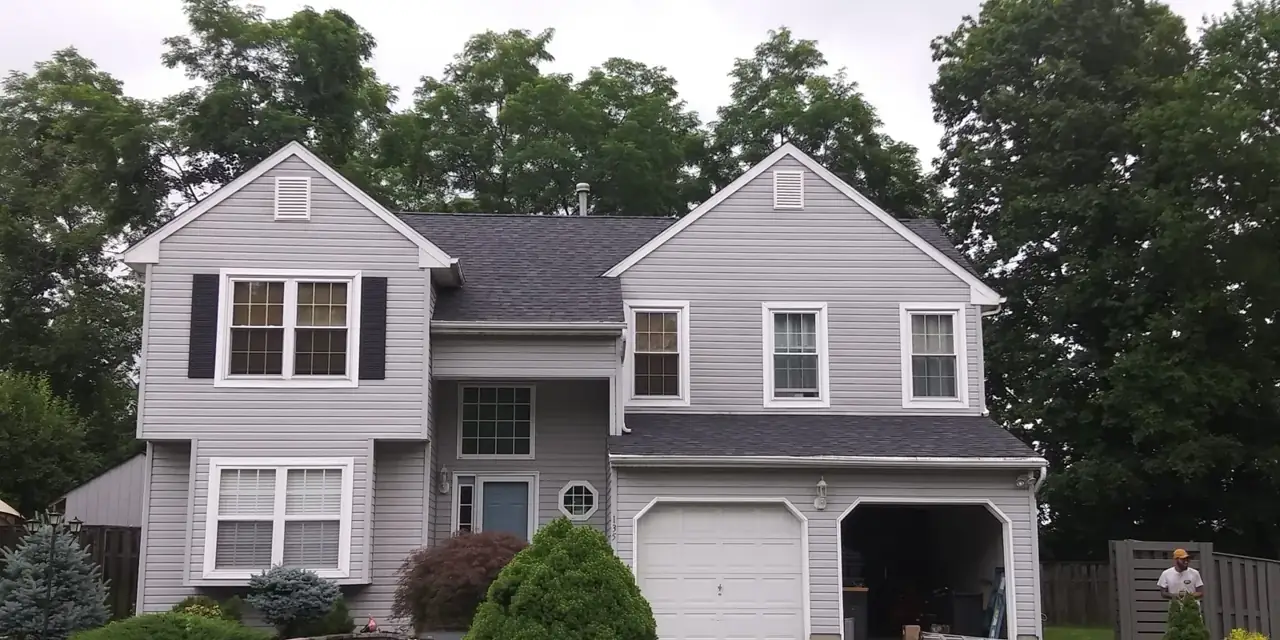
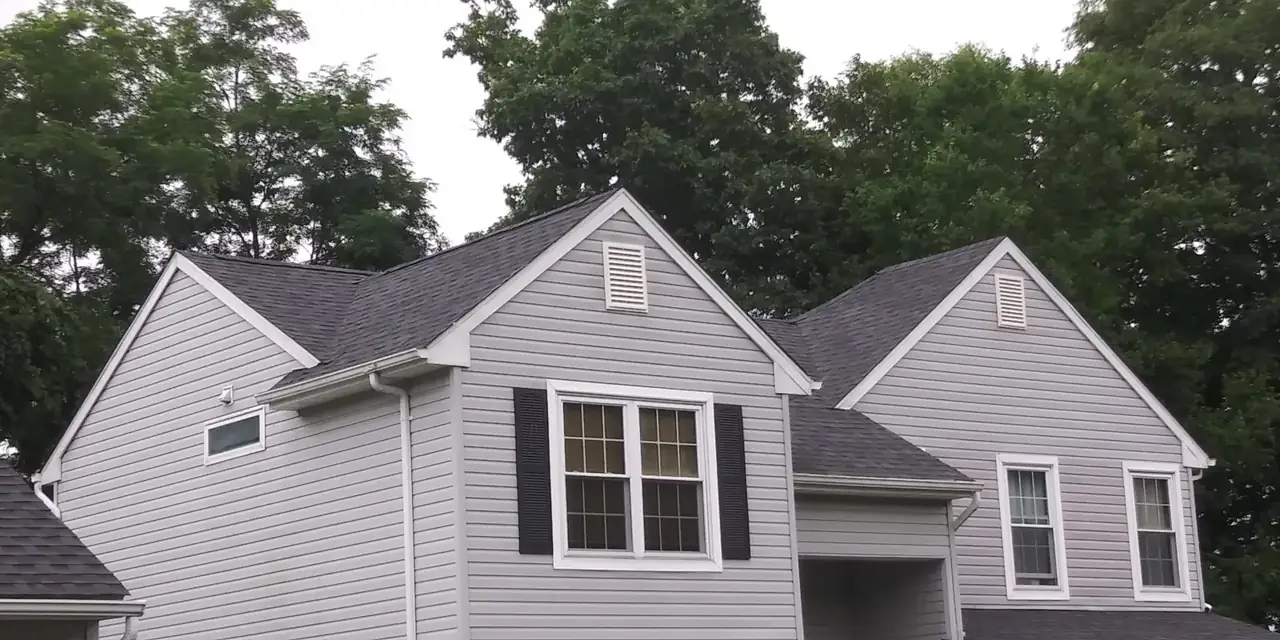
Capes and split-levels in neighborhoods like Prospect Heights, Braeburn Heights and Weber Park have their own weak spots, mostly dormer walls and the spots where a lower roof meets the upper floor. We flash each one new.
Fixing the attic while the roof is open
The single most common thing we find on Ewing's older homes has nothing to do with the shingles. It's the attic. Many of these houses were built with a couple of gable vents and little or no soffit intake, and some have bathroom or kitchen fans that exhaust straight into the attic. Heat bakes the shingles from underneath in summer. In winter, moisture condenses on the cold deck, soaks the insulation and eventually rots the plywood at the eaves.
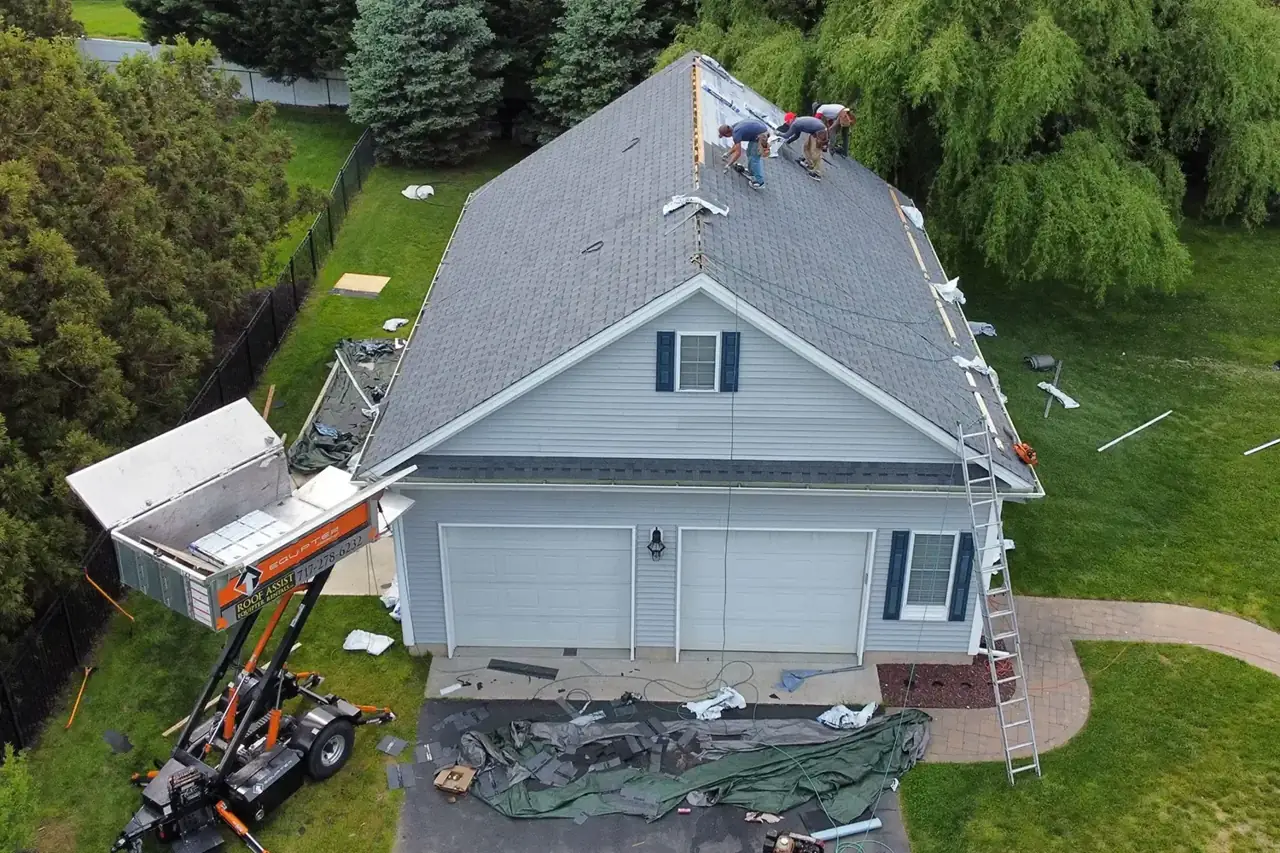
A replacement is the cheapest time to fix it, because the deck is already exposed. We cut in a continuous ridge vent, open or add intake at the soffits, close off old vents that short-circuit the airflow and run fan ducts out through the roof. Then we replace any sheathing that's gone soft before the new underlayment goes down.
It's not glamorous, but it's the difference between a roof that lasts its full life and one that curls early. For more on how intake and exhaust work together, see our roof ventilation page.
Permits, HOAs and planning around your street
Re-roofing a detached one- or two-family home in Ewing hasn't needed a permit since New Jersey reclassified it as ordinary maintenance in March 2018. Townhouses, condos and other attached homes generally still need one, and so do commercial buildings. When a permit is required, we prepare it and pull it through the township's Construction Office, then schedule the inspection. Ewing encourages residents to call that office and confirm their contractor pulled any required permit, and we're happy for you to check on us.
If you're in a condo or townhouse community, the association may set the approved shingle and color, or it may handle roofs for the whole building. Check that first, and we'll provide product details for the association's review.
Near The College of New Jersey and Trenton–Mercer Airport, we time dumpster drop-offs and deliveries around commuter traffic and busy campus weekends. Every new roof comes with a lifetime manufacturer's warranty and a 10-year workmanship warranty, and financing is available.
Not sure your roof is done? A roof repair may get you a few more years, and we'll tell you honestly. Read more about our roof replacement process, or get a starting number from the Instant Roof Quote.
More detail on how we handle this work anywhere we serve: Roof Replacement. Everything we do in Ewing: roofing in Ewing, NJ.